
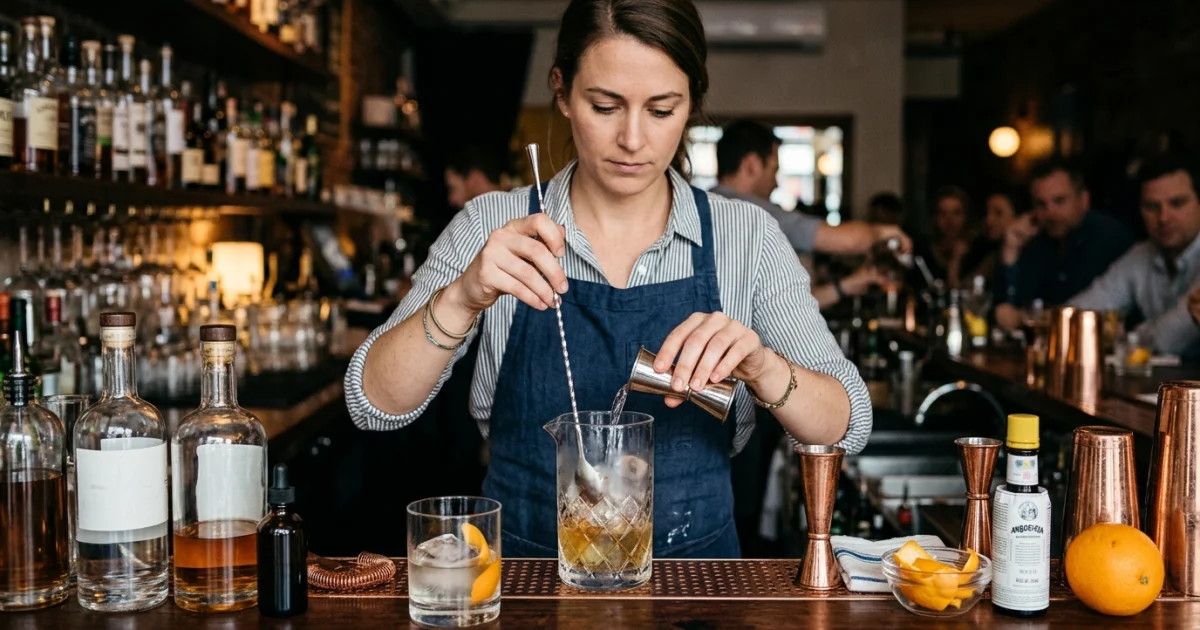
What Bartenders Mean When They Talk About Balance
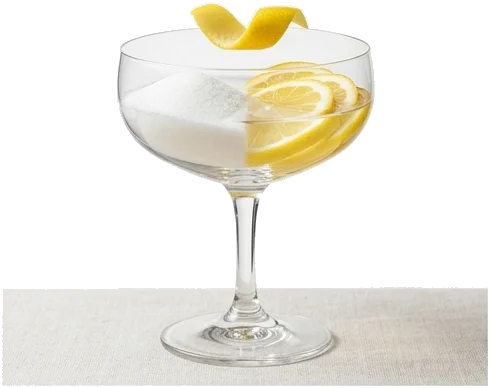
When bartenders talk about balance, they mean that no single flavor takes over the drink. A balanced cocktail has sweetness, acidity, strength, bitterness, and texture working together so the drink tastes complete, not flat or harsh. In plain terms, balance is what turns a mix of ingredients into something you actually want to sip.
For home bartenders, balance is one of the most useful ideas to learn. It helps you adjust recipes instead of just following them blindly. If a drink tastes too sharp, too sweet, too boozy, or oddly thin, the answer is usually not “add more of everything.” The answer is to understand what is missing and correct it with a small, careful change.
I think of balance as the quiet structure behind a good cocktail. You may notice citrus first, a little sweetness second, then spirit and bitterness on the finish. Or you may notice a velvety texture that makes the drink feel round and polished. When those pieces are in proportion, the cocktail feels intentional.
What does balance mean in a cocktail?
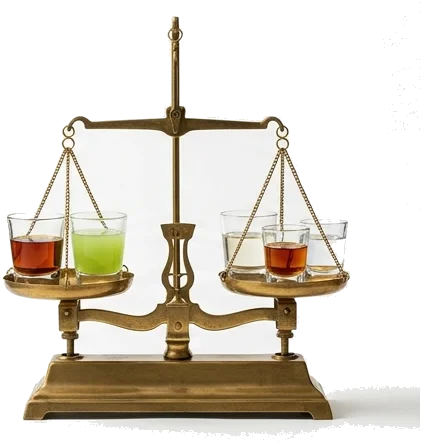
Balance is the relationship between the major flavor elements in a drink. In many classic cocktails, those elements are sweetness, sourness, alcohol strength, bitterness, and dilution. A drink does not need all five in equal amounts. It needs them in the right proportions for the style.
For example, a Daiquiri is usually built on rum, lime, and simple syrup. The rum gives strength and character, the lime gives freshness and lift, and the syrup softens the edges. If one element gets too heavy, the cocktail stops tasting clean. That is why bartenders taste and adjust rather than relying only on a recipe. For a deeper look at the spirit behind that drink, it helps to understand the different types of rum.
The main parts of balance
- Sweet: Adds roundness, softens sharp edges, and can make a drink feel fuller.
- Sour: Usually from citrus or acid, it brightens the drink and keeps sweetness from feeling heavy.
- Strong: The base spirit gives alcohol strength, body, and character.
- Bitter: Bitters, amaro, aperitif wines, or bitter liqueurs can add depth and keep a drink from tasting one-dimensional.
- Dilution: Water from stirring, shaking, or melting ice opens the drink and makes it more drinkable.
- Texture: The way a cocktail feels in the mouth, from silky and frothy to crisp and lean.
How sweet and sour work together
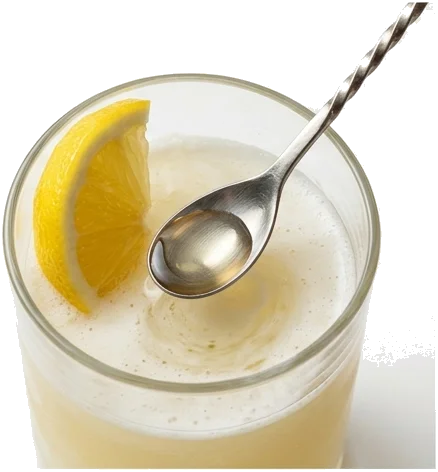
Sweetness and acidity are the easiest balancing tools to understand. Sweetness makes a cocktail feel smoother. Sourness gives it energy. If a drink is too sweet, it can taste sticky or dull. If it is too sour, it can feel aggressive and unfinished.
Many bartenders describe this as a tension that should feel lively, not harsh. In a whiskey sour, for example, lemon juice cuts the richness of the spirit and syrup keeps the citrus from becoming sharp. The exact ratio depends on the whiskey, the syrup, and even the ice. A more floral whiskey may need a different balance than a bold rye.
Practical signs of good sweet-sour balance
- The first sip is bright, but not painfully tart.
- The finish is clean, not syrupy.
- You can still taste the base spirit.
- You want another sip without the drink feeling thin or sugary.
What role does bitterness play?
Bitterness is often the detail that makes a cocktail feel grown-up and complete. It adds edge and complexity. In moderation, it can prevent a drink from tasting like flavored juice. Too much bitterness, though, can overpower everything else and make the cocktail feel rough.
Think of bitters in a Manhattan, or the bitter backbone of many aperitif-style drinks. Bitter ingredients are not there to dominate. They are there to create shape. In many American bars, bartenders use bitterness like seasoning in cooking: small amounts make the whole drink more interesting.
Common bitter ingredients
- Angostura-style bitters
- Orange bitters
- Amaro
- Aperitif wines
- Campari-style liqueurs
How does alcohol strength fit into balance?
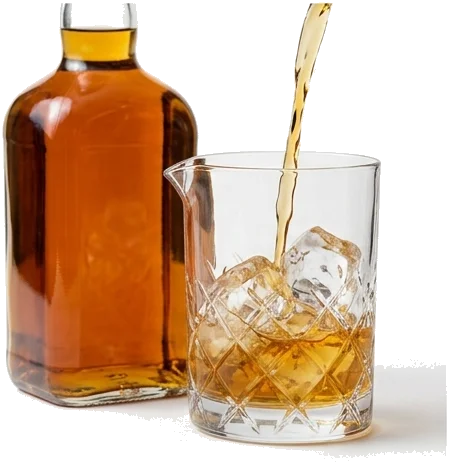
Strength is not just about how strong a drink is in proof or ABV. It is also about how much the spirit shows up in flavor. A high-proof bourbon, a grassy gin, or a smoky Scotch will each change balance differently. For a deeper comparison of bourbon and scotch, it helps to understand how those spirits differ in flavor and structure.
A cocktail with a strong base spirit needs enough sweetener, acid, or dilution to keep it comfortable to drink. This is why some drinks are served up in a chilled coupe, while others are built on the rocks or as a highball with soda. The serving style changes how intense the drink feels.
For home bartenders, this is a useful reminder: a drink can be perfectly balanced and still feel strong. Balance does not mean the alcohol disappears. It means the alcohol fits into the structure instead of sticking out.
Why dilution matters more than many home bartenders think
Dilution is the water added to a drink through shaking, stirring, or ice melt. It softens the alcohol, blends flavors, and changes the texture. Without enough dilution, many cocktails taste hot, tight, or disconnected. With too much, they can become bland.
Ice is not just for chilling. It is part of the recipe. A stirred cocktail usually gets a controlled amount of dilution and a silky feel. A shaken cocktail gets more aeration and a bit more water, which can be helpful in citrus drinks because it makes them brighter and more open.
How ice affects balance
- Large, dense ice cubes: Melt more slowly and give steadier dilution.
- Cracked or small ice: Melts faster and can dilute a drink quickly.
- Wet ice: Adds more water during shaking or stirring.
- Dry, solid ice: Gives more control and often better consistency.
If you have ever made a cocktail that tasted harsh when poured, then perfect five minutes later, dilution was probably the missing piece. The drink needed time to open up.
What is texture, and why does it matter?
Texture is the physical feel of the cocktail. It can be silky, frothy, crisp, creamy, or thin. Texture is part of balance because it changes how flavors land on the palate.
A shaken drink with egg white or aquafaba feels different from a stirred Martini. A cocktail with syrup may feel rounder than one built mostly on spirit and citrus. Even soda water changes texture by adding lift and sparkle. The best drinks match texture to style.
Ingredients and techniques that change texture
- Shaking: Adds aeration and a lighter, livelier feel.
- Stirring: Keeps the texture smooth and polished.
- Egg white or aquafaba: Creates foam and a silky mouthfeel.
- Syrup: Adds body and a soft, rounded finish.
- Soda water: Makes a drink feel brisk and refreshing.
How can a home bartender taste for balance?
The easiest method is to taste in small steps. I like to think in terms of what the drink is doing first, then what it needs next. Is it too sour? Too sweet? Too boozy? Too thin? The fix should be measured, not dramatic.
A simple tasting approach
- Take a small sip and notice the first impression.
- Ask whether the drink feels sweet, sour, strong, bitter, or flat.
- Add a small amount of syrup if it needs roundness.
- Add a small amount of citrus if it feels dull or heavy.
- Add a dash of bitters if it needs depth.
- Adjust dilution with more stirring, shaking, or a little chilled water if necessary.
It helps to make one change at a time. If you change sweetness, acidity, and strength all at once, you lose track of what actually fixed the drink.
Common mistakes that throw cocktails out of balance
Most balance problems come from small errors, not bad spirits or fancy equipment. A recipe can fail because the ice was too weak, the citrus was old, or the drink was shaken too long. That is why consistency matters in a home bar.
Frequent mistakes
- Using too much sweetener and muting the drink.
- Adding citrus without enough sugar to support it.
- Pouring a spirit-heavy drink without enough dilution.
- Over-shaking a cocktail and making it watery.
- Under-shaking a citrus drink and leaving it harsh.
- Ignoring garnish, which can add aroma and change the first sip.
Even the garnish matters. A lemon twist, a grapefruit peel, or a few drops of bitters on top can change the aroma enough to make the drink feel more balanced before the glass even reaches the lips.
Practical tips for better balance at home
- Keep fresh citrus on hand and use it when it still smells bright.
- Measure your ingredients instead of free-pouring until you know the recipe well.
- Use good ice, especially for stirred drinks and spirit-forward cocktails.
- Taste after chilling, because cold changes how sweet and sour register.
- Remember that vermouth, liqueurs, and bitters all affect balance, not just the base spirit.
- Serve smaller pours if you are experimenting, so you can adjust without wasting ingredients.
A thoughtful note on drinking well
Balance is not only about flavor. It also applies to how you drink. In my view, a good bar culture includes pacing, water, food, and the freedom to choose a low-ABV or zero-proof option when that feels right. Thoughtful hosting means making room for everyone at the table, including guests who do not drink alcohol.
If you are serving cocktails at home, keep the legal drinking age in mind, and never assume everyone wants a strong drink. A balanced bar is one where the drinks are considered and the atmosphere is relaxed.
Final takeaway
When bartenders talk about balance, they mean proportion, not perfection. A balanced cocktail brings together sweet, sour, strong, bitter, dilution, and texture so that each part supports the others. Once you understand that, you can taste your drinks more clearly, adjust them more confidently, and make better cocktails with the tools you already have.
Frequently Asked Questions
What is the simplest definition of cocktail balance?
Cocktail balance is the right relationship between sweetness, acidity, alcohol strength, bitterness, and dilution so the drink tastes complete and easy to drink.
Why does ice matter so much in balance?
Ice controls temperature and dilution. The size and quality of the ice change how quickly a drink opens up and how smooth it tastes.
Is a balanced cocktail always sweet and sour?
No. Some cocktails are spirit-forward and rely more on dilution, bitters, vermouth, or texture. Balance depends on the style of drink.
How do I fix a cocktail that tastes too strong?
Add a little more dilution by shaking or stirring a fresh version a bit longer, or adjust with small amounts of sweetener, citrus, or a mixer depending on the recipe.
What is the best way to learn balance at home?
Start with classic recipes, measure carefully, and make small adjustments one at a time. Tasting after each change teaches you much faster than guessing.
Leave a Comment