The Rise of Alcohol-Free Cocktails in American Bar Culture
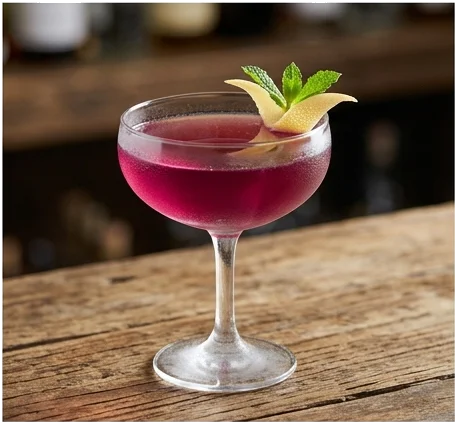
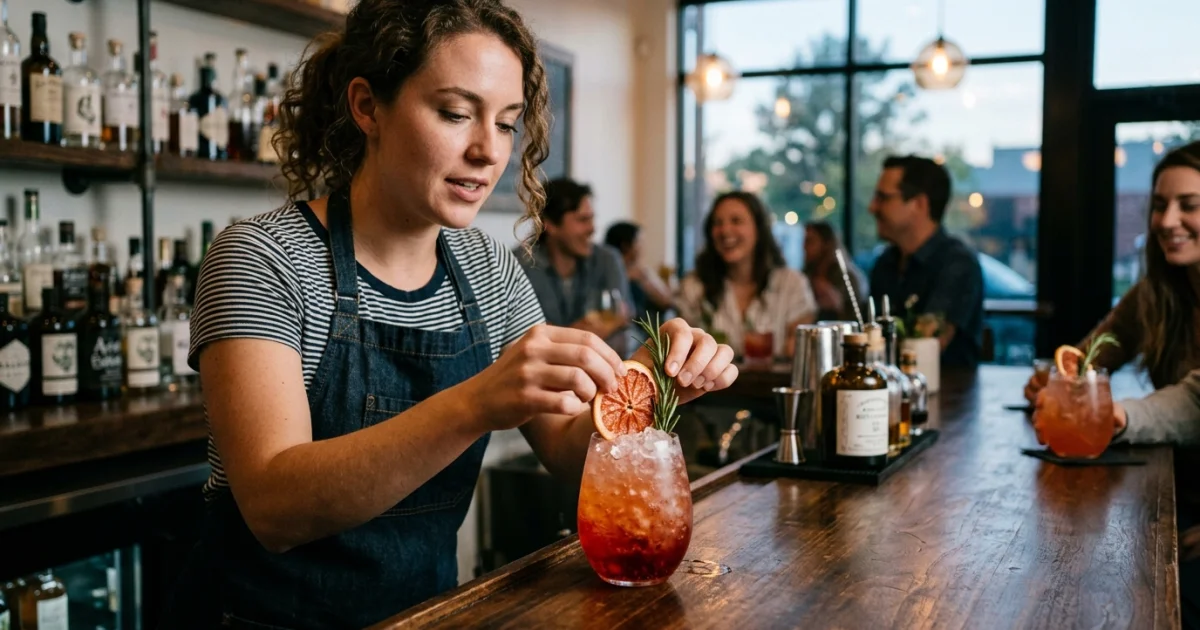
Alcohol-free cocktails matter because they give adults a real choice: a drink with flavor, structure, and presentation, without the alcohol. In American bar culture, that has changed the conversation. A mocktail is no longer a weak stand-in. When it is built well, it can be as thoughtful as any stirred whiskey drink or citrusy highball.
I think that shift says something important about how people host, dine, and unwind now. Many guests want variety. Some want to pace themselves. Some do not drink at all. Others simply want a bright, layered beverage that feels intentional. A good alcohol-free cocktail meets that need without asking anyone to explain their choice.
At home, the same idea applies. If your bar shelf only supports spirits, you are missing a large part of modern hospitality. A balanced zero-proof drink can make a dinner party feel more inclusive, and it can also sharpen your skills as a host. You still work with citrus, bitters, syrups, herbs, soda, tea, and careful garnish. You still think about glassware, ice, and aroma. The only thing missing is alcohol, not craftsmanship.
What makes an alcohol-free cocktail feel complete?
A strong alcohol-free cocktail usually has the same basic qualities as a classic cocktail: acidity, sweetness, bitterness, aroma, texture, and a clean finish. When one of those pieces is missing, the drink can taste flat. When all of them are present, the result feels layered and satisfying.
The building blocks I look for
- Acid: usually from lemon, lime, grapefruit, or verjus.
- Sweetness: simple syrup, honey syrup, fruit syrup, or shrub.
- Bitterness: nonalcoholic bitters, tonic, tea, or bitter citrus.
- Body: egg white alternatives, aquafaba, fruit puree, or chilled tea.
- Aroma: herbs, citrus peel, spice, ginger, cucumber, or floral notes.
- Texture: carbonation, good ice, or a silky shake.
That structure matters because alcohol usually adds body and warmth in a cocktail. Without it, a drink needs other elements to carry the flavor. That is why many bartenders treat zero-proof drinks as recipes, not substitutions.
Why are mocktails becoming more common in American bars?
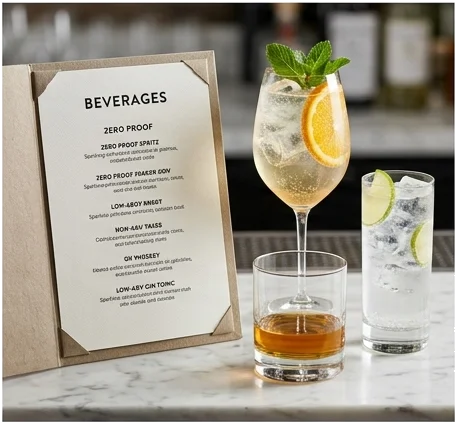
There are practical and cultural reasons. First, more people want flexibility. In many American bars, it is now normal to see one guest order a whiskey neat, another choose a low-ABV spritz, and another ask for a well-made mocktail. That mix reflects real life better than a menu built around alcohol alone.
Second, hospitality has become more inclusive. Adults may avoid alcohol for many reasons: health, pregnancy, medication, religion, training, driving, personal preference, or simply because they do not want it that night. A good bar acknowledges that without turning the choice into a statement.
Third, people have become more interested in flavor craft. A carefully made zero-proof drink can showcase tea, shrub, botanical syrups, or fresh herbs in a way that feels inventive rather than apologetic. In that sense, the rise of alcohol-free cocktails is part of the same movement that made craft beer, thoughtful whiskey service, and better home bars more common.
How do you build a good alcohol-free drink at home?
You do not need a huge setup. You need a few useful ingredients, clean ice, and a willingness to taste as you go. I like to think in layers: base, acid, sweetener, texture, and finish.
A simple home bar list for zero-proof drinks
- Fresh lemons and limes
- Simple syrup or honey syrup
- Soda water and tonic water
- Herbal tea or strong black tea
- Nonalcoholic bitters, if available
- Ginger beer or ginger syrup
- Verjus, shrubs, or fruit juice in small amounts
- Fresh herbs like mint, basil, rosemary, or thyme
- Citrus for garnish
- Clear ice or large cubes for better presentation and slower dilution
Useful techniques
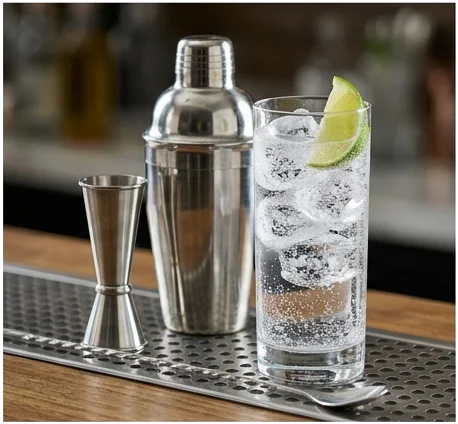
- shake-and-stir-cocktails-like-a-pro">Shake drinks with juice, syrup, or tea when you want a colder, brighter texture.
- Stir drinks that are mostly clear and carbonated components should be added last.
- Build highballs directly in the glass with ice and soda.
- Express citrus peel over the drink to add aroma.
- Use proper glassware such as a highball, coupe, Collins glass, or rocks glass, depending on the style.
If you want one easy formula, use this: 2 parts flavorful base, 1 part acid, 1 part sweetener, then finish with soda or tonic. Taste, then adjust. That small adjustment step is where the drink goes from “fine” to “finished.”
What are the biggest mistakes people make with mocktails?
The most common mistake is overcompensating with sugar. A drink that is just sweet juice and syrup can feel childish or heavy. Another mistake is forgetting bitterness or acidity, which are what keep a beverage lively.
Common mistakes to avoid
- Using too much juice and not enough structure
- Skipping salt, bitters, or a bitter element entirely
- Serving a flat drink without ice or carbonation
- Treating garnish as decoration only, instead of aroma and flavor
- Pouring huge servings instead of small, balanced ones
Another nuance is temperature. A zero-proof drink can taste thin if it is not cold enough. Good ice matters. So does chilling the glass when possible. These details are small, but they shape the entire experience.
How should mocktails fit into a thoughtful host’s menu?
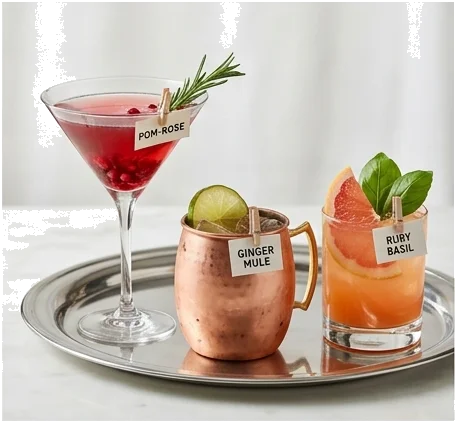
I think the best approach is to treat alcohol-free drinks as part of the menu, not an afterthought. That means giving them names, real ingredients, and the same attention you give a gin and tonic or a bourbon old fashioned. It also means offering one or two choices that feel distinct.
- A bright citrus-soda highball for a refreshing option
- A tea-based drink with herbs for something more layered
- A ginger-forward drink for guests who like spice
- A fruit-and-verjus drink for a sharper, wine-like profile
For food pairing, think about the same principles you would use with cocktails or beer. Herbal drinks work well with roasted vegetables and grilled fish. Citrus-forward drinks can cut through rich appetizers. Ginger and spice pair nicely with fried food or savory snacks. A good zero-proof pairing should support the meal, not compete with it.
Responsible drinking and thoughtful hosting
Alcohol-free cocktails do not just support people who avoid alcohol. They also support pacing. In a mixed group, it is helpful to have a zero-proof option on hand so nobody feels pushed toward another drink. That kind of hosting is simple, respectful, and very American in the best sense: practical, welcoming, and low-drama.
If alcohol is being served, I still think the basics matter. Offer water. Serve food. Keep portions moderate. Respect the legal drinking age. Make it easy for guests to choose a non-alcoholic option without drawing attention to it. That is what thoughtful bar culture looks like at home.
Final takeaway
Alcohol-free cocktails are not a trend to tolerate. They are a real part of modern bar culture. When they are built with the same care as other drinks, they add choice, balance, and dignity to the table. A good mocktail is not second-best. It is simply a well-made drink with a different purpose.
Frequently Asked Questions
What is the difference between a mocktail and an alcohol-free cocktail?
People often use the terms interchangeably. “Alcohol-free cocktail” sounds more intentional, while “mocktail” is more casual. The best version of either is balanced, flavorful, and thoughtfully made.
Do zero-proof drinks need bitters?
Not always, but bitters or another bitter element often help the drink feel more complete. If you skip them, use tea, tonic, citrus peel, or another ingredient with structure.
What glassware works best for alcohol-free cocktails?
It depends on the style. Highballs suit spritzes and soda drinks, coupes work for shaken drinks, and rocks glasses are good for short, spirit-like zero-proof recipes.
Can I make a mocktail without special ingredients?
Yes. Lemon or lime juice, syrup, soda water, and herbs can make a very good drink. Special ingredients help, but they are not required.
How do I keep a mocktail from tasting too sweet?
Use acid, bitterness, and carbonation. Small adjustments matter. A squeeze of citrus or a splash of soda can make a sweet drink taste much more finished.
Leave a Comment