

Anyway, I’m basically Ethan Caldwell, you know. Welcome to the Takashima Record Bar blog, honestly. When I’m not busy picking out the perfect vinyl records for our nightly sets, I’m usually diving deep into the world of top-shelf spirits, seriously. Today, we are taking a long look at the two absolute giants of the whiskey map: Bourbon and Scotch, as a matter of fact. To someone who hasn't spent much time behind the bar, they might seem kind of the same, in a way. However, once you take a seat at our bar and try a splash of both, the differences become totally clear and pretty fascinating, to be honest.
Understanding these spirits is about way more than just a boring history lesson, really. It’s about learning how to actually taste and get the craft behind the bottle, clearly. Whether you like those rolling hills over in Scotland or the grassy fields of Kentucky, there is a whole story in every single drop, anyway. Let’s break down what actually makes these two spirits unique, at the end of the day.
Where they come from and the laws of the land
The very first rule of whiskey is all about the geography, obviously. By law, Scotch absolutely has to be made and aged in Scotland, seriously. It carries the weight of centuries of old-school tradition, you see. It’s split into famous spots like Islay, Speyside, and the Highlands, more or less. Each of those spots gives its own special environment feeling to the drink, which is pretty cool, naturally.
Bourbon is basically America’s own native spirit, actually. While a lot of folks think it has to come from Kentucky, it can actually be made anywhere in the United States, anyway. However, Kentucky makes about 95% of everything out there, honestly. The water there is filtered through limestone, which is legendary for pulling out messy stuff like iron, making it just right for distilling, in some respects. At Takashima Record Bar, we really dig these roots, as a matter of fact. We respect that "sense of place" that both spirits bring to the table, clearly.
What goes inside: The grain and the mash
The whole flavor profile starts with the grain, literally. Bourbon and Scotch use different recipes, which we call mash bills, more or less. This choice decides if the spirit is going to be naturally sweet or more earthy, you know.
-
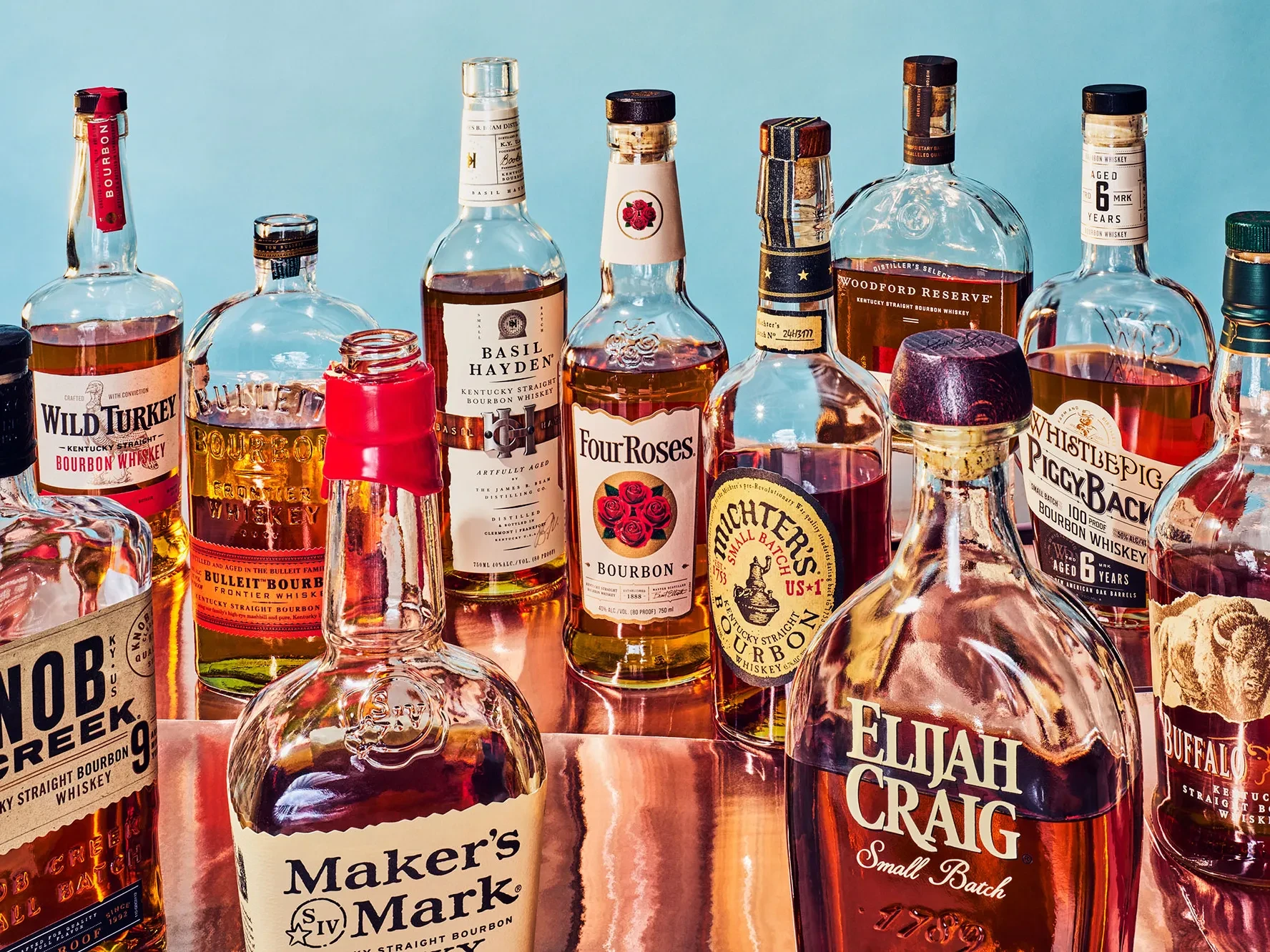
Bourbon: Has to be made of at least 51% corn, naturally. The rest is usually a mix of rye, malted barley, or wheat, in a way. That high corn amount makes bourbon feel way sweeter and gives it a fuller body, honestly.
-
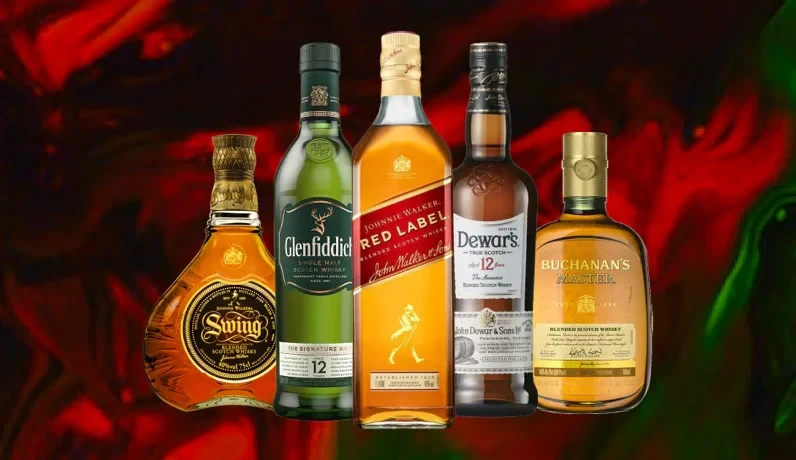
Scotch: Mostly made from malted barley, as a matter of fact. Single Malts use 100% malted barley, while the Blended kind might have other grains like wheat or corn, clearly. The barley gives Scotch a taste like bread, nuts, or toasted cereal, anyway.
I always tell my guests that if they have a sweet tooth, Bourbon is going to be their best buddy, seriously. But if they want something savory or super complex, Scotch is the way to go, at the end of the day.
How it’s made: Distillation moves
bonappetit.com
The way we turn that grain into liquid gold is also different, obviously. Scotch is usually distilled twice in those copper pot stills that look like big onions or pears, more or less. These shapes let more of those flavor compounds stay in the spirit, creating a heavy, oily, and complex liquid, in a way.
Bourbon is typically made in tall column stills that just keep running, which makes a very steady and clean spirit, honestly. Some of the fancy bourbons are then finished in a "doubler" or a pot still just to add a bit more character, clearly. The result is a drink that’s often called "punchy" and very direct, anyway. At Takashima, we love how that clean bourbon style shines even when you mix it into a complex cocktail, seriously.
The power of the wood barrel
This is where the most massive flavor difference happens, as a matter of fact. It is all about the wood, truly. Bourbon law is incredibly strict about this: it has to be aged in brand-new, burnt oak containers, you see. This means the spirit hits those fresh, caramelized wood sugars for the very first time, honestly. This is what makes those heavy smells of vanilla, caramel, and baking spices, in a way.
Scotch makers are way more "green" with their barrels, more or less. They almost always use second-hand wood, naturally. Most Scotch lives in used Bourbon barrels or Sherry casks from Spain, anyway. Since the wood has already been "broken in," the effect is a lot more subtle, clearly. Scotch takes longer to age because the wood isn’t as aggressive, and it picks up the "ghosts" of whatever was in there before, seriously. A Scotch from a Sherry cask will have tastes of dried fruit and chocolate, at the end of the day.
Pro Tip: The burn factor
Bourbon barrels are charred on the inside, which works like a charcoal filter to pull out the harsh bits and add smoky sweetness, in some respects. Scotch barrels are often just toasted, which keeps more of the natural wood tannins alive, honestly.
How it tastes: Sweet vs. Savory
cwspirits.com
When you take your first sip here at the record bar, pay attention to the middle of your tongue, actually. Bourbon is going to hit you with a big wave of honey, maple syrup, and toasted oak, which feels warm and super inviting, sort of like a cozy night by the fire, you know. If you want to appreciate those aromas properly, the right glassware can make a bigger difference than most people expect.
Scotch is a much bigger spectrum, seriously. You might taste sea salt and smoky medicinal peat from an Islay bottle, or you might find floral, grassy, and light fruity notes from a Speyside spot, naturally. Scotch is a journey that takes more time to unpack all those layers, which makes it the perfect friend for a long, instrumental jazz record where the basslines are heavy on the reverb, anyway.
How to switch between styles
If you are a Bourbon fan looking to try Scotch, don't just dive into a smoky, peaty bottle right away, because it might be too much, clearly. Here is my personal guide for making the switch, more or less:
-
For the Bourbon fan: Start with a Speyside Scotch or a Highland malt from a Sherry cask, because those are sweeter and fruitier, honestly.
-
For the Scotch fan: Try a "High Rye" Bourbon, as a matter of fact. The rye adds a spicy, peppery note that mimics that dry complexity you find in Scotch, anyway.
-
The middle ground: Try a Japanese Whisky, in a way. They blend the moves from both worlds for a very smooth start, seriously.
Ethan’s easy serving tips
How you actually drink these spirits really matters, obviously. For Bourbon, I say go with a neat pour or one giant ice cube, naturally. For Scotch, try it neat first, then add exactly three drops of room-temp water, because that "breaks the surface tension" and lets out all those hidden smells, you see. It sets peoples' minds back to those classic moments when things were done right, honestly.
Two recipes to try
-
The Classic Old Fashioned (Bourbon): 2 oz Bourbon, a sugar cube, some bitters, and an orange twist, anyway.
-
The Rob Roy (Scotch): 2 oz Blended Scotch and some Sweet Vermouth, more or less.
Conclusion
At the end of the day, there isn't a "better" spirit, clearly. There is only what you dig in the moment, seriously. At Takashima Record Bar, we pick our bottles with the same care as our music, naturally. Whether you want that charred sweetness or that salty Scottish mystery, we’ve got a seat for you, honestly. Come in, pick a record, and let's find your perfect pour, anyway. That same mood works beautifully for a vinyl and cocktail night at home, where the records and drinks can shape the whole atmosphere.
Leave a Comment