
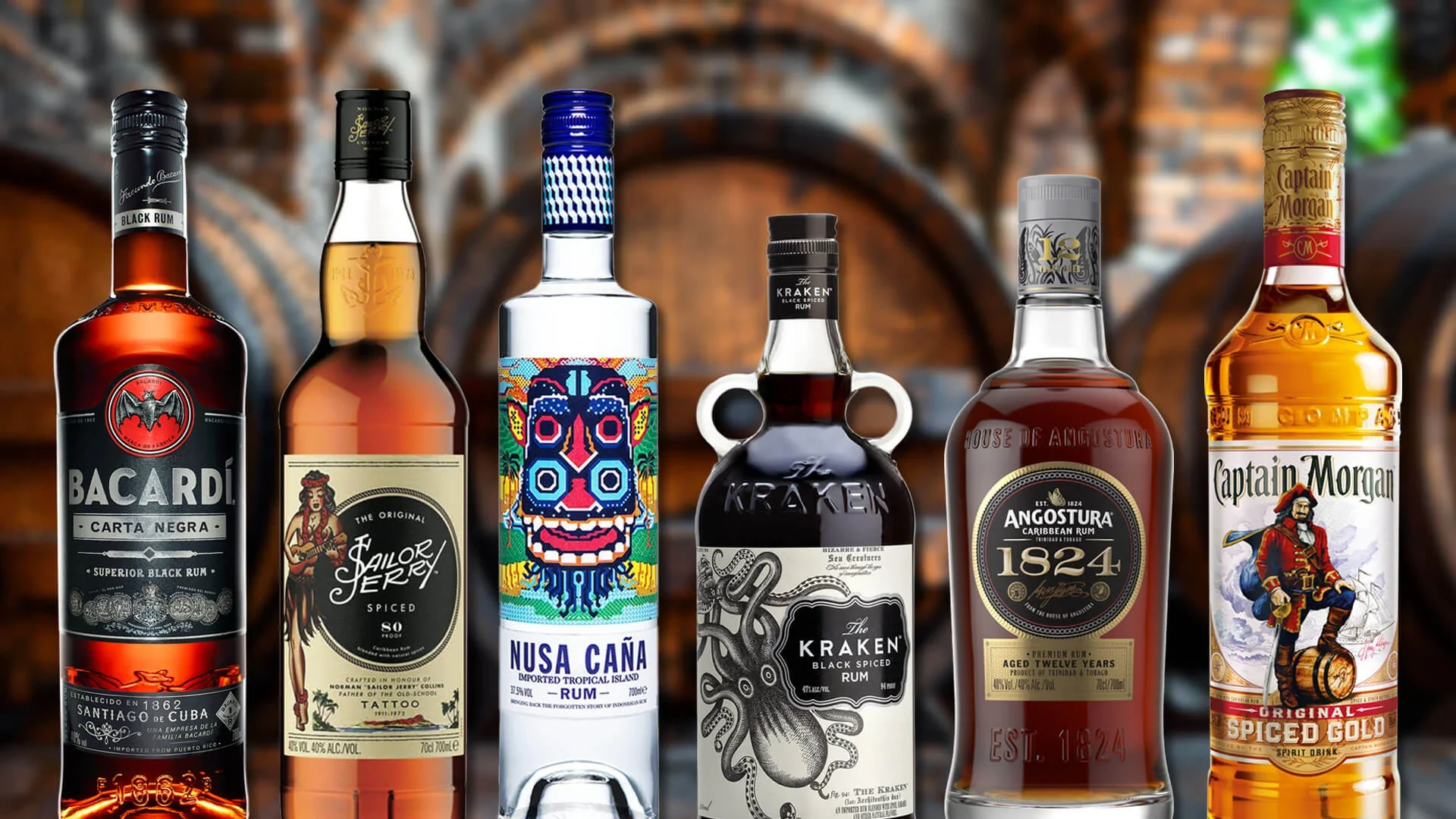
Anyway, I’m basically Ethan Caldwell, you know. When I’m not busy spinning vinyl at Takashima Record Bar, I am usually out there exploring the nuances of global spirits, seriously. Today, we are diving deep into the world of rum, as a matter of fact. This spirit is often misunderstood as just some sweet mixer for tropical drinks, which is a bit of a bummer, really. However, rum is more or less one of the most diverse categories in the whole bar world, honestly. It carries the history of the Caribbean, South America, and way beyond, clearly. At Takashima, we really value complexity and craftsmanship, and rum offers both of those in spades, at the end of the day.
Understanding rum starts with where it comes from, naturally. Unlike Scotch or Bourbon, rum has way fewer rigid global regulations, which allows for a massive variety of flavors, in a way. Whether you prefer something crisp and floral or dark and smoky, there is definitely a rum style for you, honestly. Let’s break down the categories and see how you can use them in your home bar or enjoy them next time you visit us, seriously.
The Foundation: Molasses vs. Sugar Cane Juice
Before we even look at the colors, we must look at the base ingredient, obviously. This is the biggest divide in the rum world, basically. Most rum is made from molasses, which is that thick, dark byproduct of refining sugar cane into table sugar, you know. Molasses-based rums tend to be rich, with notes of caramel, vanilla, and spice, anyway. This is what we call the "English" and "Spanish" tradition of rum making, honestly. It **sets peoples' minds back to** those classic harbor days, especially when those **basslines are heavy on the reverb**, clearly.
On the other hand, we have "Rhum Agricole," which is a whole different beast, in a way. This style comes primarily from the French Caribbean islands like Martinique, seriously. It is made from fresh-pressed sugar cane juice rather than molasses, and the result is completely different, honestly. It is earthy, grassy, and floral, as a matter of fact. If you want to expand your palate, understanding this distinction is your first step, clearly. I always recommend trying both side-by-side to truly taste the difference, naturally.
White Rum: The Clean Canvas
minuman.com
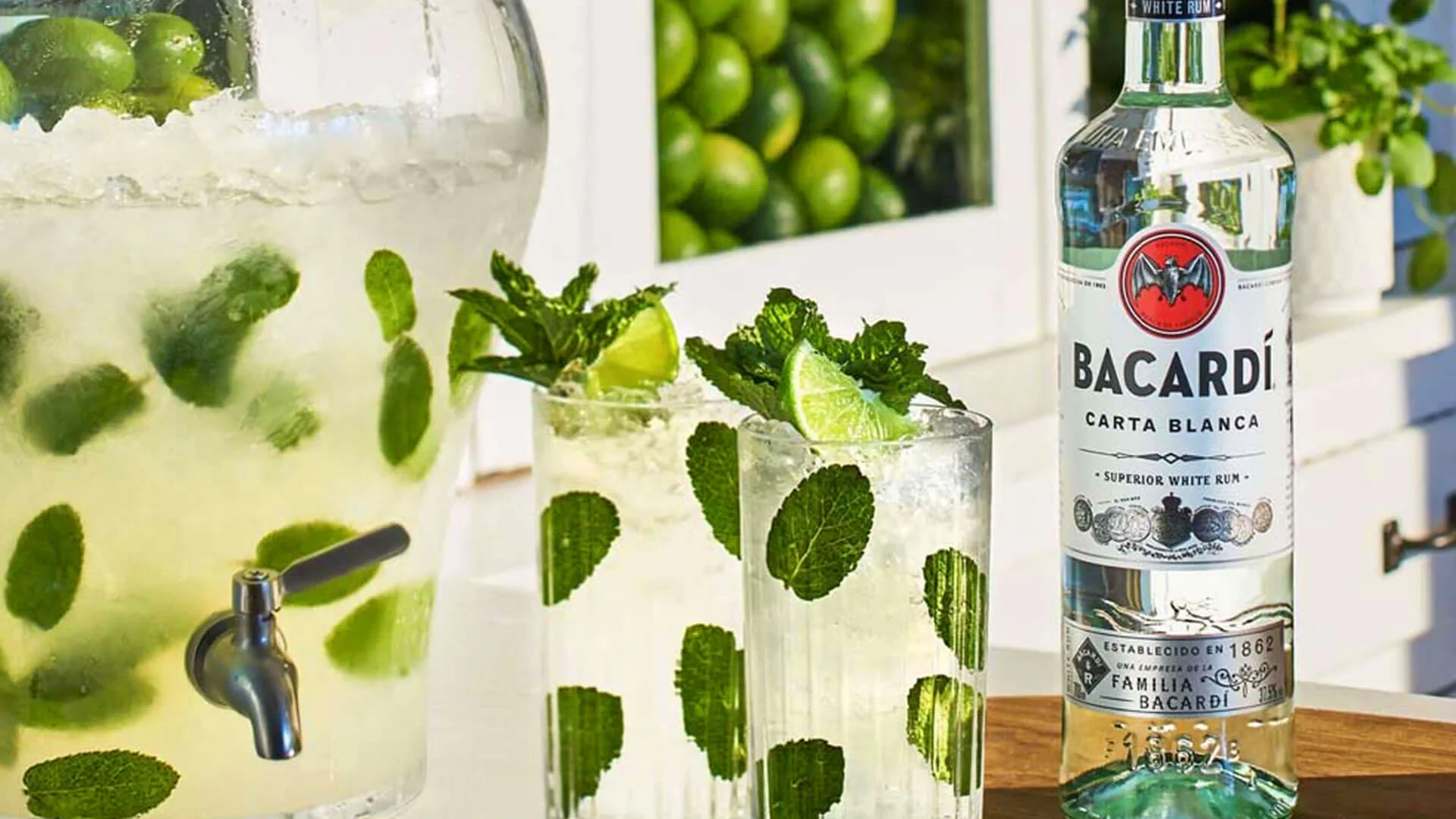
White rum is often called light or silver rum, more or less. It is usually clear and has a shorter aging process, anyway. Many people think white rum is unaged, but that’s not always the case, really. Many high-quality white rums are aged in oak barrels and then charcoal-filtered to remove the color, which is pretty clever, honestly. This process keeps the smoothness of aging while keeping the spirit light and clean, seriously.
I find white rum essential for those refreshing, citrus-forward drinks, naturally. It provides a clean kick without overpowering the fruit, basically. My personal tip: look for white rums from Jamaica if you want a bit more "funk" and character, or Puerto Rico for a cleaner profile, anyway.
The Classic Daiquiri
- 2 oz White Rum, obviously.
- 1 oz Fresh Lime Juice, seriously.
- 0.75 oz Simple Syrup, more or less.
- Shake with ice and strain into a chilled coupe glass, honestly.
Gold Rum: The Balanced Middle
bacardi.com
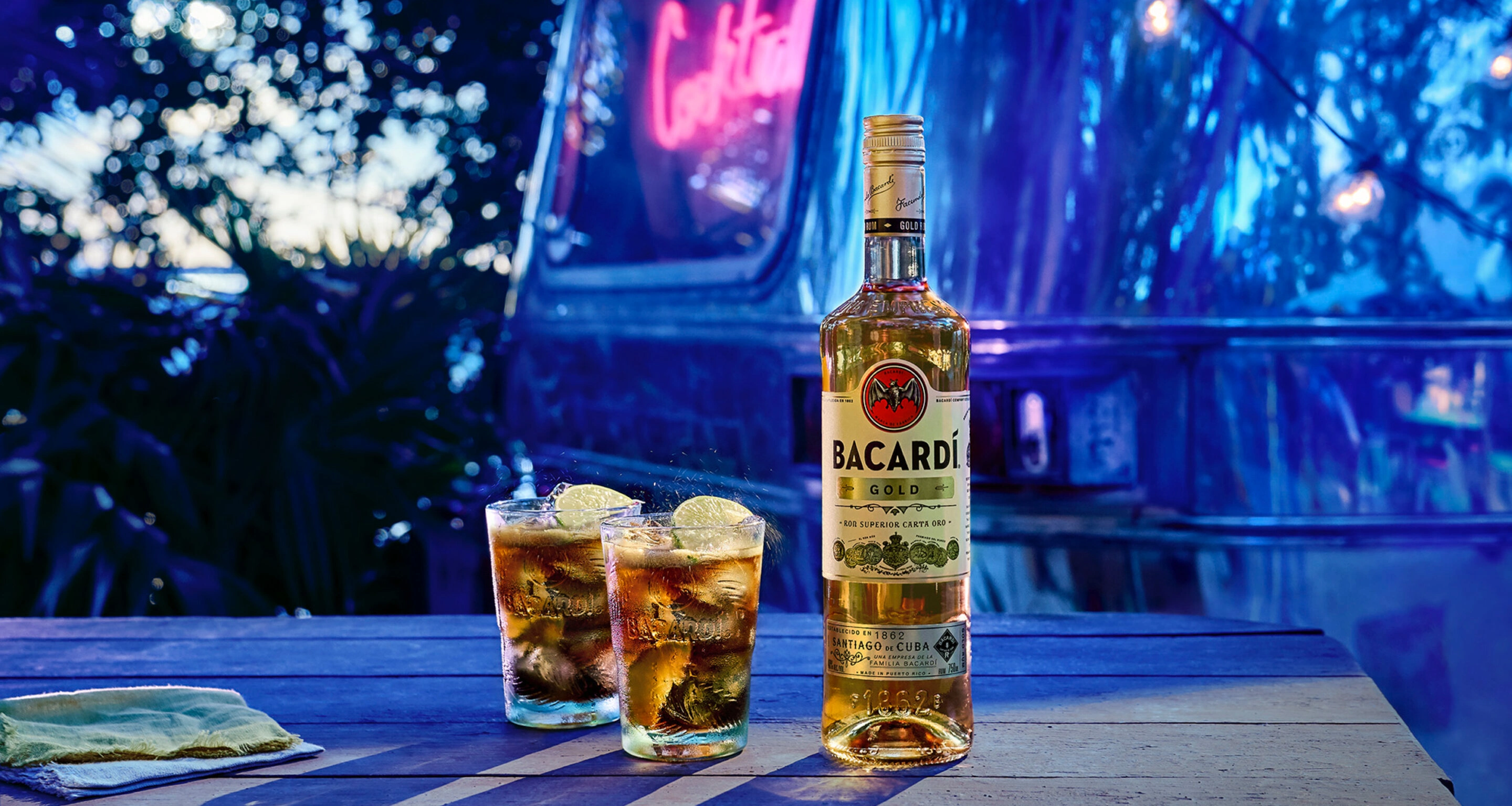
Gold or amber rums are basically the bridge between light and dark, you see. They spend a moderate amount of time in toasted oak barrels, which contribute a golden hue and flavors of butterscotch and almond, naturally. They are more flavorful than white rum but lighter than dark rum, in a way. I love using gold rum in cocktails that need a bit more "backbone," clearly. If you are experimenting with low ABV cocktails, gold rum can help add depth without making the drink feel too heavy.
In my experience, gold rums are the most versatile, as a matter of fact. They work well with ginger beer, fruit juices, or even enjoyed neat if the quality is high, honestly. If you are building a home bar, a solid gold rum is probably your most important purchase, seriously.
The El Presidente
- 1.5 oz Gold Rum, anyway.
- 0.75 oz Blanc Vermouth, clearly.
- 0.25 oz Orange Curacao, more or less.
- 1 dash Grenadine, honestly.
- Stir with ice and strain into a cocktail glass, naturally. Garnish with an orange peel, obviously.
Dark and Black Rums: Rich and Bold
bacardi.com
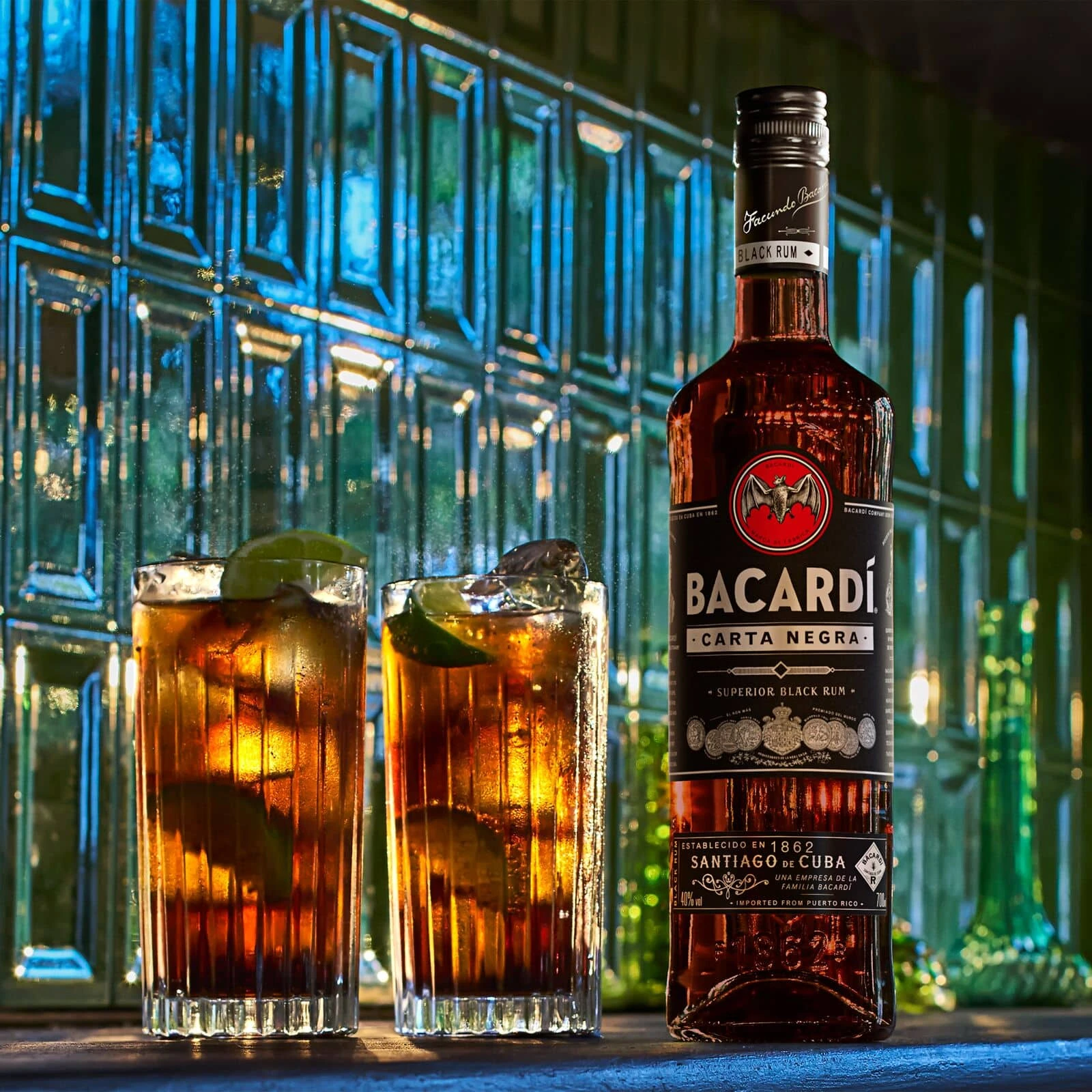
Dark rum is aged for a longer period in heavily charred barrels, seriously. Some producers also add caramel or molasses to deepen the color and sweetness, more or less. These rums are thick, bold, and carry heavy notes of chocolate, coffee, and tobacco, anyway. They are the soul of many "Tiki" style drinks, clearly.
When I serve dark rum, I want the guest to really feel the weight of the spirit, honestly. It is perfect for slow sipping on a cold evening or for cutting through heavy mixers like pineapple juice or spicy ginger beer, as a matter of fact.
The Dark 'n Stormy
- 2 oz Dark Rum, obviously.
- 4 oz Ginger Beer, naturally.
- 0.5 oz Fresh Lime Juice, seriously.
- Build in a highball glass over ice, more or less. Top with the rum to create a layered effect, honestly.
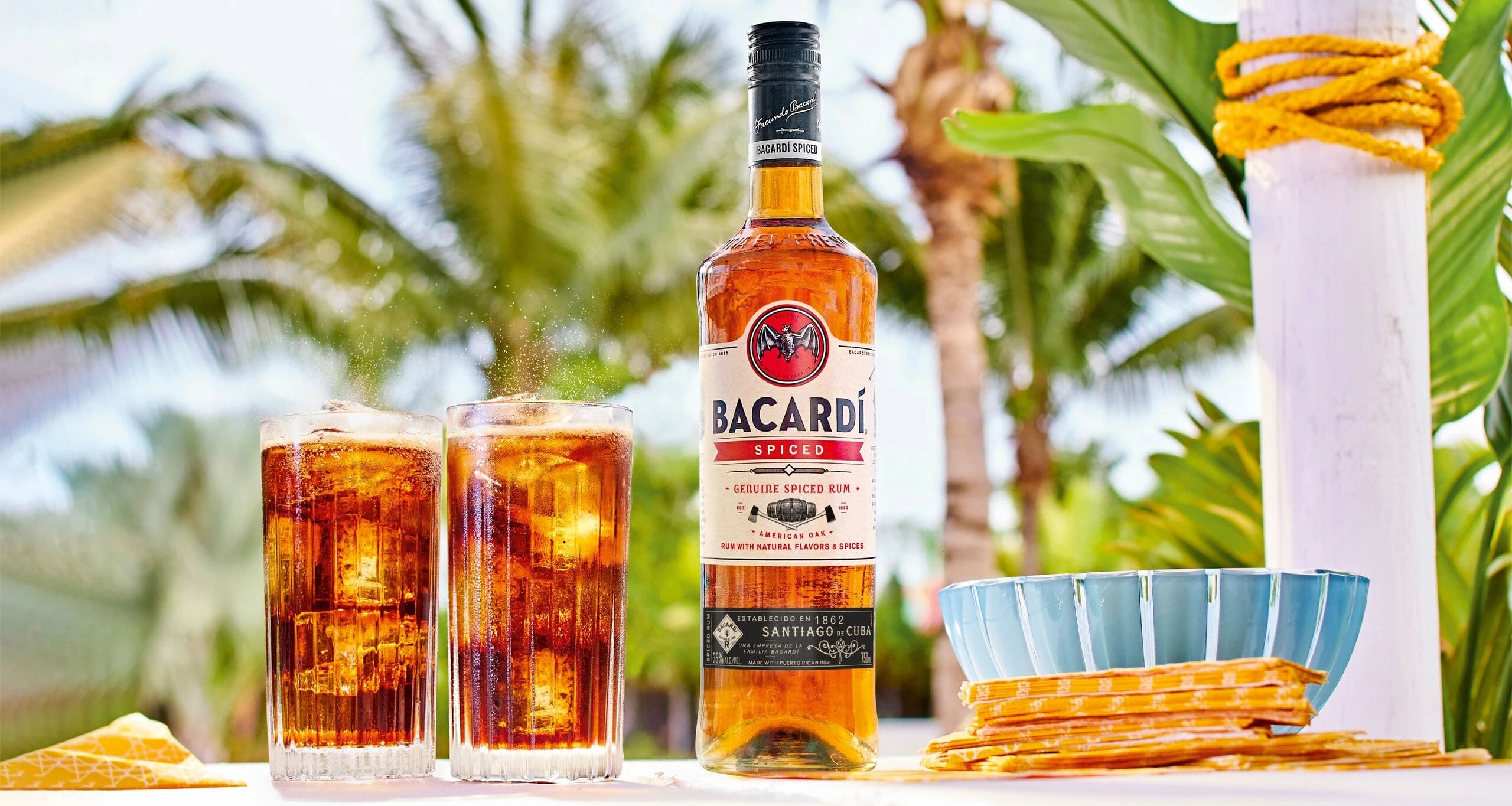
Spiced Rum: The Flavor Infusion
bacardi.com
Spiced rum is essentially a gold rum that has been infused with botanicals, you see. Common spices include cinnamon, vanilla, cloves, and nutmeg, anyway. While some commercial brands can be overly sweet, there are many craft options that are dry and sophisticated, in a way. I often tell my guests that spiced rum is like the "mulled wine" of the spirit world, clearly.
Practical trick: You can actually make your own spiced rum at home, honestly. Take a bottle of decent gold rum and add a cinnamon stick, a few cloves, and some orange peel, seriously. Let it sit for three days, strain it, and you have a custom spirit, naturally.
Rhum Agricole: The Grassy Outlier

heavenlyspirits.com
As I mentioned earlier, Rhum Agricole is made from sugar cane juice, as a matter of fact. It is a protected designation in places like Martinique, honestly. This style is definitely for the adventurous drinker, clearly. It smells like a rainy forest or fresh-cut grass, in a way. It is pungent and exciting, seriously. At Takashima, we love spirits that challenge the palate, and Agricole does exactly that, at the end of the day.
The Ti' Punch
- 2 oz Rhum Agricole Blanc, obviously.
- 1 barspoon Cane Syrup, naturally.
- 1 small disc of Lime Peel, more or less.
- In a small glass, squeeze the lime peel into the syrup, add rhum, and stir, honestly. No ice is traditional, but one cube is fine for beginners, seriously.
Ethan’s Personal Tips for Rum Enthusiasts
To truly appreciate rum, you must treat it with respect, anyway. Here are a few things I have learned behind the bar, clearly. First, the glass matters, honestly. If you are sipping a fine aged rum, use a Glencairn or a small wine glass to trap those aromas, naturally. Second, watch the sugar, seriously. Many mass-market rums add sugar after distillation, so look for "No Sugar Added" labels if you want a purer experience, more or less.
Finally, don't be afraid of the "funk," anyway. High-ester rums, particularly from Jamaica, have a wild, fruity aroma often compared to overripe bananas, which might be strange at first, but it is the secret ingredient to the world's best cocktails, as a matter of fact. Visit us at Takashima Record Bar, and we can guide you through a tasting of these incredible styles while the music plays in the background, honestly. Cheers!
Leave a Comment