
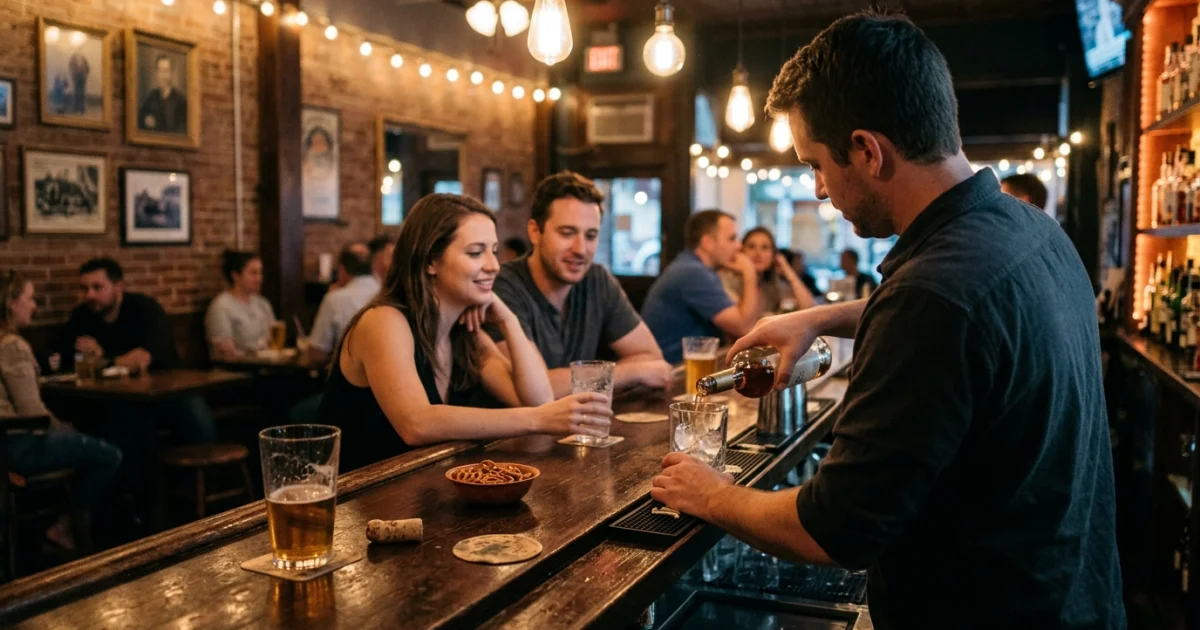
The Small Details That Make a Neighborhood Bar Feel Right
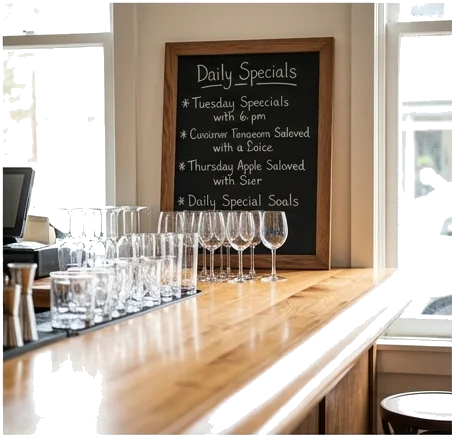
A neighborhood bar feels right when the room is easy to read, the service has a calm rhythm, and the little details make people settle in without thinking about it. It is rarely one dramatic feature. More often, it is the clean glassware, the clear menu, the unforced greeting, the steady pace behind the bar, and the sense that both regulars and first-timers can relax in the same space.
What guests notice most in a good local bar is often what they do not say out loud. They feel whether the bartender is rushed or steady. They notice if the lighting flatters the room instead of fighting it. They notice if the martini glass is actually chilled, if the beer pours cleanly, if the music stays present but does not dominate. These things seem small. Together, they shape the whole experience.
I have always thought a good neighborhood bar works a bit like a well-made cocktail. Nothing has to shout. The parts just need to fit. The result is comfort, trust, and the quiet feeling that you know how the place works even on your first visit.
What does a neighborhood bar feel like when it gets the atmosphere right?
The right atmosphere usually feels balanced rather than themed. A neighborhood bar should feel lived in, not staged. It should welcome conversation, but not force it. It should have enough energy to feel social, yet enough calm for someone to read the menu or sit alone with a beer, a whiskey neat, or a low-ABV drink like a spritz.
Atmosphere cues people notice immediately
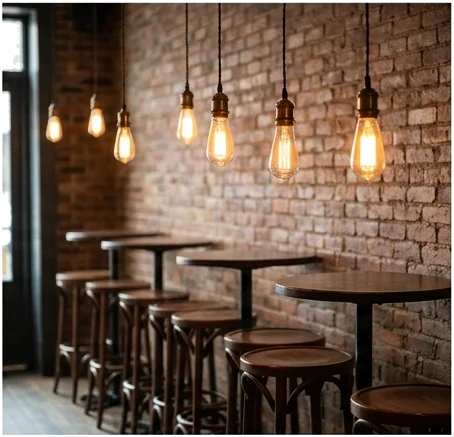
- Lighting that is warm, not harsh.
- Music that supports conversation instead of competing with it.
- Tables and stools arranged so people do not feel crowded.
- Clean surfaces without making the room feel sterile.
- A temperature that makes a guest stay for one more round of soda, water, or a carefully paced drink.
The best rooms do not call attention to every design choice. They let the seating, the light, and the noise level work together. That is why some bars feel instantly comfortable even if you cannot explain why. Your body notices before your words do.
Why does bartender rhythm matter so much?
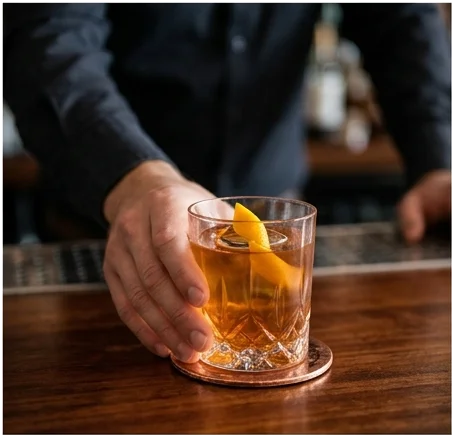
Bartender rhythm is one of the biggest reasons a bar feels right. I do not mean speed for its own sake. I mean the steady, confident pace that makes guests feel they will be seen in order. A good rhythm tells the room, “We are moving, but we are not frantic.”
In practical terms, that rhythm shows up in simple ways. The bartender makes eye contact at the right moment. Orders are acknowledged clearly. Garnishes are prepared before the glass is needed. Ice is handled with care. Shaken drinks arrive cold and lively; stirred drinks arrive polished and smooth. Even a straightforward highball feels better when the bartender moves with confidence and consistency.
Signs of a strong service rhythm
- The bartender knows when to talk and when to let the guest breathe.
- Orders are repeated clearly when needed, especially during a busy hour.
- Glassware is matched to the drink instead of being random.
- Ice is fresh, dry, and appropriate to the drink.
- Checks, water, and second rounds appear without awkward hovering.
A guest may not say, “I appreciate the service rhythm.” But they will feel it. That feeling often decides whether they come back next week.
How do menu details make a bar easier to trust?
Menu clarity is one of the most underrated parts of bar culture. A good menu does not try to impress by being mysterious. It helps the guest make a choice with confidence. It tells you what the drink is, what style it belongs to, and how strong or light it may feel. That can mean listing ABV, noting if a cocktail is shaken or stirred, or simply describing whether a drink is citrusy, bitter, herbal, or spirit-forward. That kind of clarity is also useful when comparing craft gin with mass-market gin.
What a clear menu usually includes
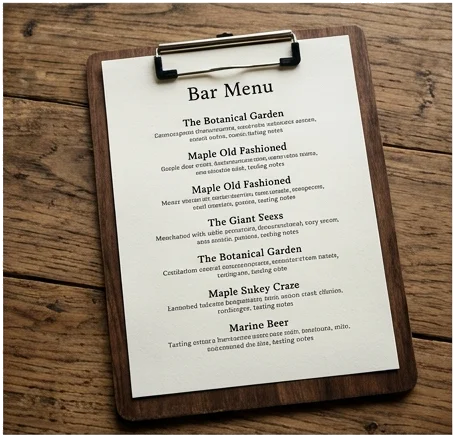
- Simple drink names with short, useful descriptions.
- Notes about key ingredients such as gin, bourbon, rum, tequila, vermouth, bitters, or citrus.
- Clear language for serving style, such as neat, on the rocks, or up.
- Obvious non-alcoholic or zero-proof choices.
- Food pairings when the bar serves them, especially with craft beer or whiskey.
I like menus that read like someone actually expects you to use them. If a guest can quickly tell the difference between a dry martini and a sweeter aperitif-style cocktail, or between a crisp pilsner and a hop-forward IPA, the menu is doing real work. It respects the guest’s attention.
Why do regulars shape the room so strongly?
Regulars are part of the atmosphere, but they should never make a new guest feel like an outsider. In a neighborhood bar, the best regulars add continuity. They create the soft background of familiarity that makes the room feel rooted in a place and a community.
What matters is balance. Regulars should be recognized, but not treated as if the room belongs only to them. The bartender may know their usual pour, but there should still be room for someone ordering a first gin and tonic, a small bourbon pour, or a half-pint of local craft beer. The healthiest bar culture makes room for both memory and discovery.
What regulars quietly contribute
- A sense of rhythm and identity.
- Low-pressure conversation for newer guests.
- Proof that the bar is consistent enough to return to.
- A signal that the place values familiarity without becoming closed off.
The most welcoming bars do not perform community. They simply let it happen.
What small service details do guests remember most?
Guests often remember practical comforts before they remember décor. A bar feels better when the details are genuinely functional. Cold beer glasses, properly sized ice, clean napkins, a decent water pour, and a coaster that is actually available all shape the impression of care.
Some of the smallest details are also the most revealing. A bartender who wipes the bar top between guests shows respect. A menu that explains whether a cocktail is built on rye or bourbon shows thoughtfulness. A draft pour with a proper head on a beer, rather than foam spilling over the rim, suggests the bar pays attention. These are not luxury signals. They are competence signals.
Details that quietly improve comfort
- Coasters placed before the glass arrives.
- Water offered without making it feel like an afterthought.
- Consistent garnish quality, such as fresh citrus or a clean olive pick.
- Stable glassware that feels appropriate to the drink.
- Menus or chalkboards that are easy to read from a seat at the bar.
How can a bar feel thoughtful without feeling formal?
A thoughtful bar does not need to be precious. In fact, neighborhood bars work best when the details feel natural, not rehearsed. Thoughtfulness shows up in small acts of competence and restraint. It means the music is chosen with the room in mind. It means the bartender knows when a guest wants guidance and when they want to be left alone. It means the bar understands that a simple lager can be just as welcome as a stirred whiskey cocktail.
There is also an unspoken hospitality rule that matters a great deal: not every guest wants the same pace. Some people want a quick beer after work. Some want to linger over a digestif. Some want zero-proof options and still want to feel included. The bar that gets this right is the bar people describe to friends without having to explain it too much.
Common mistakes that make a neighborhood bar feel off
Most bad bar experiences do not come from one major problem. They come from a series of small mismatches. The room may be too loud, the menu too confusing, or the service too performative. None of that is fatal on its own, but together it makes the place feel harder than it should.
Frequent missteps
- Music that overwhelms conversation.
- Menus that list ingredients without telling the guest what the drink will taste like.
- Too much attention on style, not enough on cleanliness and pace.
- Bartenders who rush guests or disappear for too long.
- No clear non-alcoholic option for people who want to participate without drinking alcohol.
One of the easiest mistakes to avoid is assuming that atmosphere means decoration. It does not. A neighborhood bar can have simple furniture and still feel memorable if the service is smooth, the room is clean, and the choices are easy to understand.
What should thoughtful drinking look like in a neighborhood bar?
Thoughtful drinking is part of good bar culture. It means pacing yourself, eating if you want to, and choosing a drink that fits the moment rather than chasing volume. In an American bar, that often means one well-made cocktail, a moderate pour of whiskey, a local beer, or a zero-proof alternative if you are not drinking alcohol. It also means respecting the legal drinking age and making sure everyone gets home safely.
A bar feels more comfortable when it supports moderation without preaching. Water should be easy to get. Small pours should be normal. A guest should never feel odd asking for a lighter option, a slower pace, or a non-alcoholic drink. The room should make room for judgment and choice.
Final takeaway
The details that make a neighborhood bar feel right are rarely loud or expensive. They are the things that show care: a steady bartender, a clear menu, clean glassware, a comfortable room, and a sense that regulars and new guests both belong. When those pieces line up, the bar stops feeling like a business transaction and starts feeling like part of the neighborhood.
Frequently Asked Questions
What is the biggest sign that a neighborhood bar is well run?
The biggest sign is consistency. If the service, cleanliness, pacing, and drink quality stay reliable from one visit to the next, the bar is probably paying attention to the right things.
Do guests really notice small details like glassware and ice?
Yes. Most people may not name them, but they feel the difference. The right glass and clean ice make a drink taste more deliberate and make the whole visit feel more cared for.
Should a neighborhood bar always be quiet?
No. A good bar can be lively. The key is balance. Guests should be able to talk without straining, even when the room has energy.
How important is a non-alcoholic option?
Very important. A thoughtful bar makes room for guests who do not want alcohol, whether for the evening or at all. Good hospitality includes zero-proof choices that feel intentional.
What makes regulars helpful instead of exclusive?
Regulars help when they add warmth and familiarity without blocking new guests from feeling welcome. The bar should feel like a community, not a private club.
Leave a Comment