
Anyway, I’m basically Ethan Caldwell, you know. Welcome to Takashima Record Bar, honestly. If there is one thing I really love as much as a super rare piece of vinyl, it is a perfectly poured glass of the brown stuff, seriously. Whiskey is more than just a bottle of booze, more or less. It is a map of history, where it came from, and the work people put into it, anyway. Whether you are sitting at our bar listening to some smooth Japanese jazz or just chilling at your own house, understanding what is actually in your glass changes the whole vibe, at the end of the day.
The world of whiskey is totally massive, as a matter of fact. It goes all the way from the sweet, woody depths of Kentucky bourbon to those super exact and elegant mixes from Japan, clearly. In this little guide, I will break down the main types every fan should know, in a way. We will look at the grains they use, the laws for how long it sits in the wood, and the unique tastes that make each style what it is, honestly.
American Bourbon: The sweet juice of the South
insidehook.com
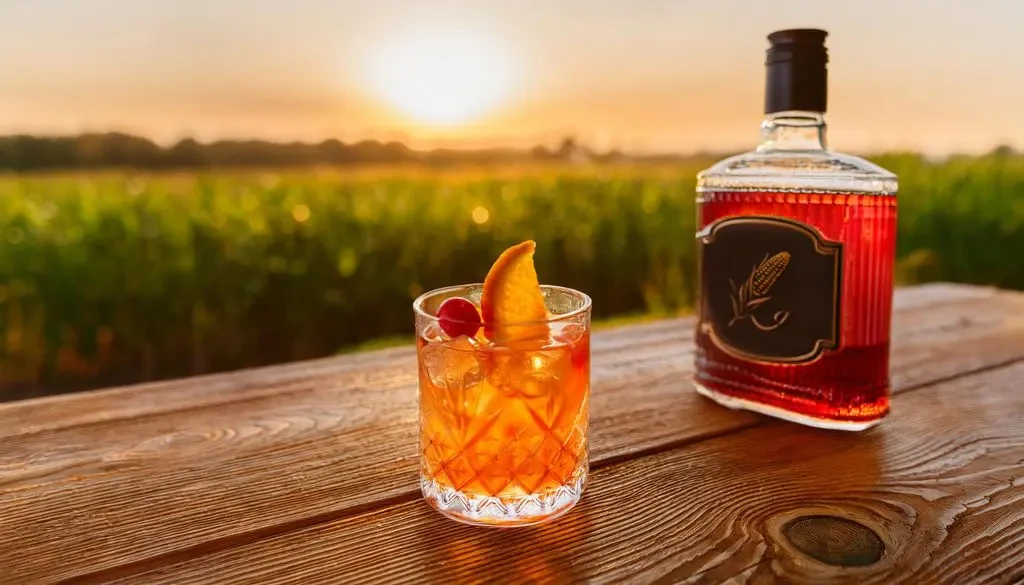
Bourbon is basically America’s own spirit, you see. To legally call it bourbon, it absolutely has to be made in the United States, seriously. While Kentucky is the most famous spot for it, bourbon can actually be made anywhere in the country, more or less. The rules for making bourbon are super strict, which basically makes sure everything is top-tier across the board, clearly.
The grain mix, or what we call the "mash bill," has to have at least 51% corn, naturally. This high corn amount is what gives bourbon that sweet taste it's known for, anyway. The rest of the mix is usually a blend of rye, wheat, and malted barley, honestly. Bourbon has to sit in brand-new oak containers that have been burnt on the inside, as a matter of fact. It cannot have any fake colors or flavors added to it, obviously.
How it tastes and sits
-
Notes: Vanilla, caramel, honey, and that toasted wood smell, in a way.
-
Texture: Often feels rich and "chewy" because of all those corn oils, seriously.
-
Ethan’s Tip: Look for "Bottled-in-Bond" on the sticker, strictly speaking. This is a government promise of quality, meaning the whiskey is from one season and sat for at least four years, actually.
American Rye: The bold and spicy choice
imbibemagazine.com
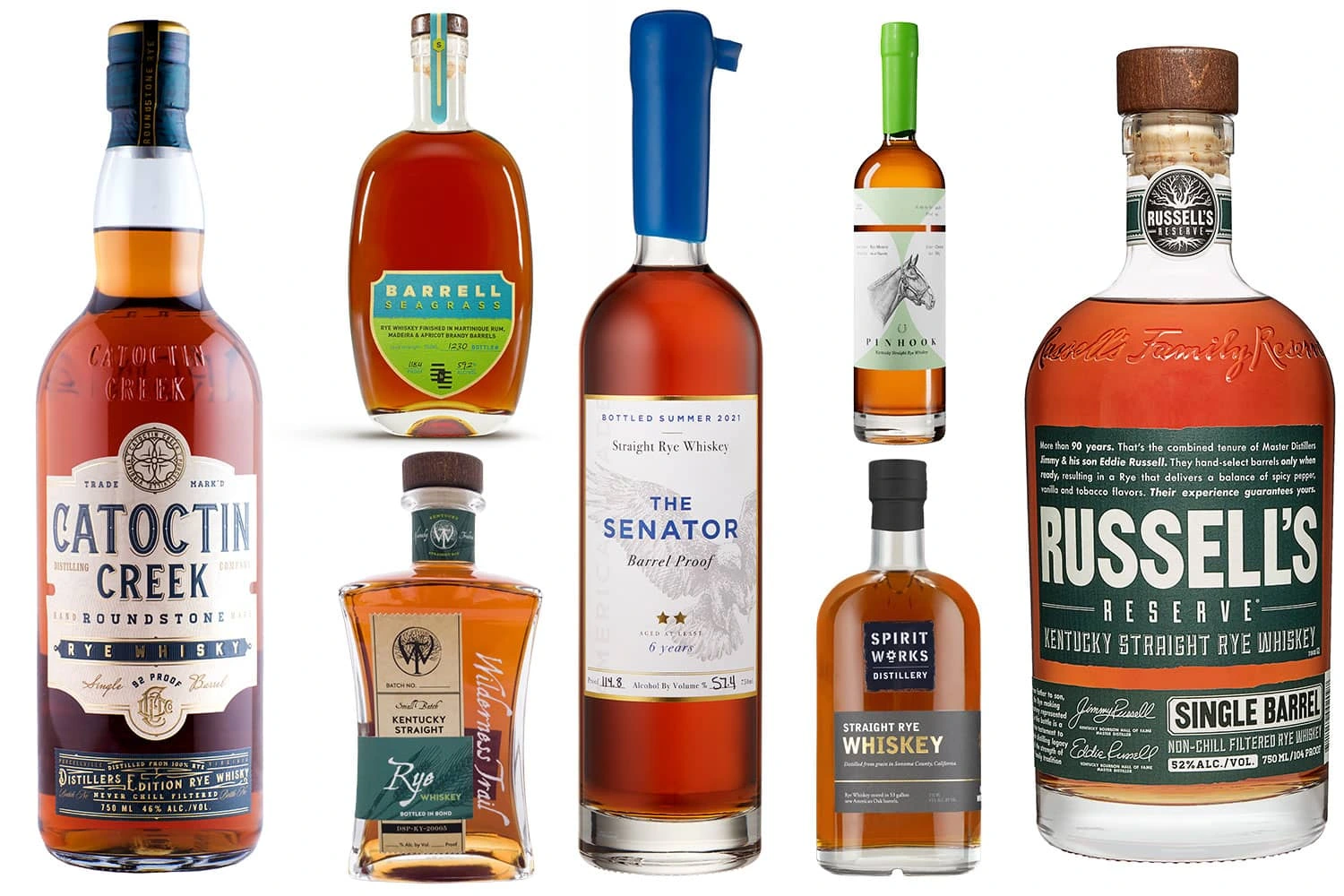
If bourbon is the sweet older brother, rye is more like the spicy, rebellious younger sibling, you know. A long time ago, rye was the big whiskey in the Northeast, but today it is having a huge comeback in the world of fancy drinks, at the end of the day. At Takashima, we love using rye in a Manhattan because that spice cuts right through the sweet wine perfectly, in some respects.
Rye whiskey has to be made from at least 51% rye grain, clearly. Just like bourbon, it has to sit in new burnt oak barrels, naturally. The rye grain brings in a sharp, peppery, and sometimes herbal feel to the drink that you just don't find in those corn-heavy bottles, honestly.
How it tastes
-
Notes: Black pepper, spices you’d use for baking like cloves and cinnamon, and dried fruits, anyway.
-
Texture: Leaner and a bit drier than bourbon, more or less.
-
Ethan’s Tip: If you find bourbon a bit too sweet for your taste, try a "high-rye" bourbon first, then move to a straight rye bottle, seriously.
Scotch Whisky: The art of dirt and place

forbes.com
In Scotland, they actually drop the "e" and just call it whisky, which is their way of doing it, basically. Scotch is all about where it’s from and the tradition of using malted barley, as a matter of fact. To be called Scotch, it has to sit in Scotland for at least three years in oak, obviously. Unlike the American stuff, Scotch makers often use barrels that already held bourbon or sherry before, in a way.
The biggest thing people know about Scotch is the use of peat, honestly. Peat is basically dried dirt and plants that get burned to dry the barley, which gives it that smoky, earthy smell, you see. However, not all Scotch is smoky, clearly. Some areas produce whiskies that are fruity, floral, and don't have any of that smoke at all, really.
The different types of Scotch
-
Single Malt: Made from 100% malted barley at just one spot, strictly speaking.
-
Blended Scotch: A mix of different malts and grain whiskies, known for being steady and balanced, more or less.
-
Flavor: It can go from honey and flowers all the way to a heavy campfire smoke and sea salt vibe, anyway.
Irish Whiskey: Being super smooth
edinburghwhiskyacademy.com
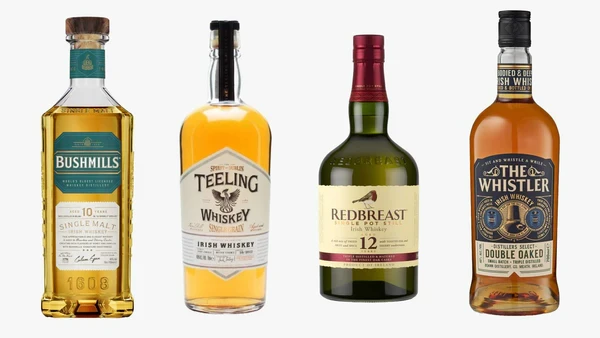
Irish whiskey used to be the most popular spirit on the planet, at the end of the day. Now it is growing super fast again, which is cool to see, honestly. The main thing about Irish whiskey is how incredibly smooth it feels, as a matter of fact. This is mostly because a lot of it is distilled three times, while Scotch usually only goes through twice, you know.
Ireland is also the home of "Single Pot Still" whiskey, clearly. This style uses a mix of both malted and regular barley, naturally. The result is a unique, creamy feel in your mouth and a spicy finish that you just can't get anywhere else, seriously.
How it tastes
-
Notes: Green apple, pear, vanilla, and a bit of fresh grass, in a way.
-
Texture: Silky and very light, anyway.
-
Ethan’s Tip: This is more or less the perfect start for people just getting into whiskey because it doesn't have that "burn," actually.
Japanese Whisky: Precision and being in tune
cntraveller.in
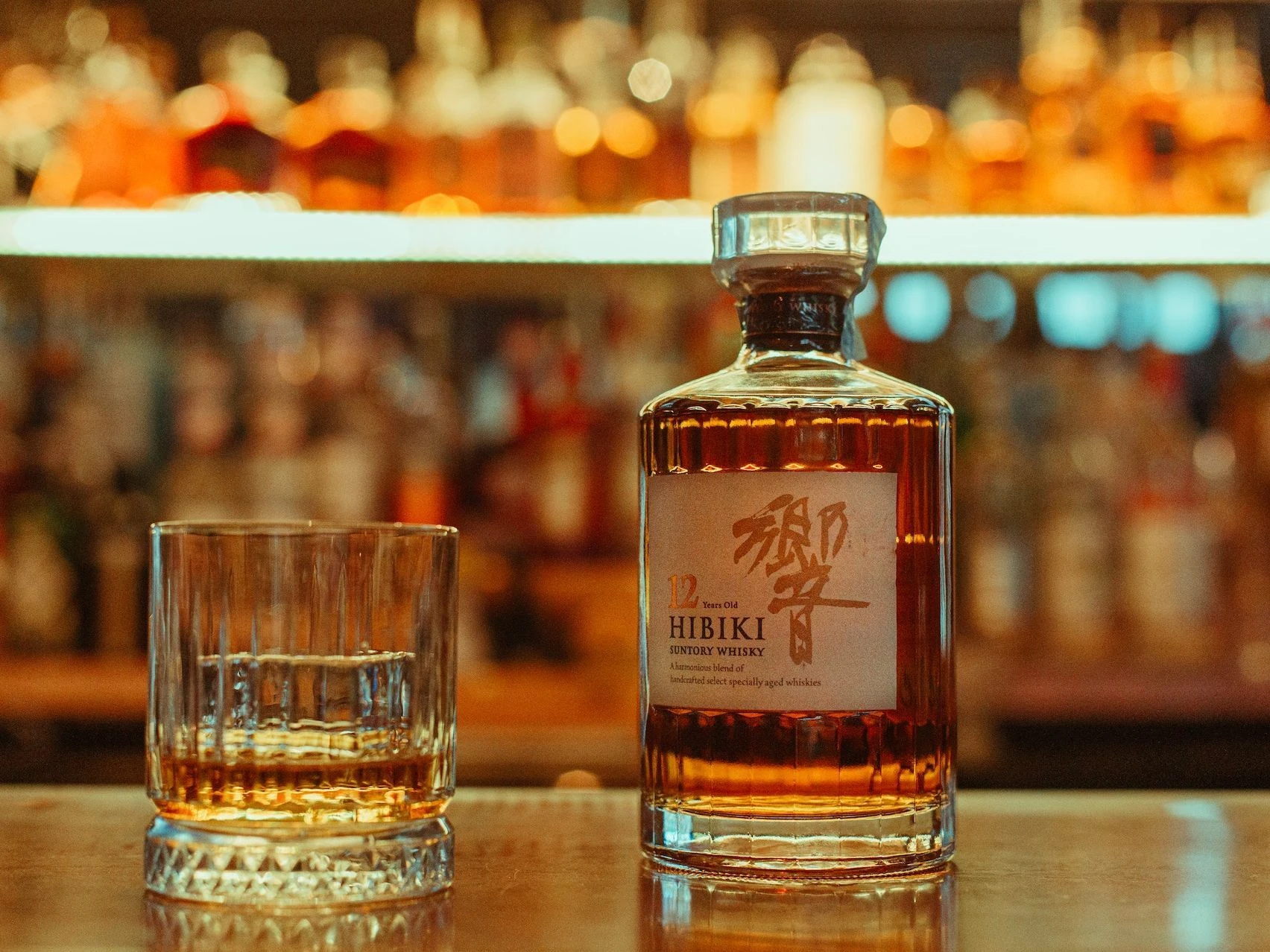
At Takashima Record Bar, Japanese whisky is very close to our hearts, seriously. It was originally based on Scotch, but the Japanese have turned the whole thing into a real art form, honestly. They focus on "kaizen," which is just a fancy way of saying they are always trying to make it better, in a way. They play around with different yeasts, the shapes of the metal stills, and even special wood like Mizunara oak, as a matter of fact. The same attention to mood also applies to a good bar playlist, which helps shape the whole experience while you sip.
Japanese whisky is known for being balanced and very elegant, more or less. It is rarely in your face; instead, it has layers of quiet flavor that show up slowly while you sip, anyway. It goes perfectly with the high-fidelity sounds we play at the bar, which sets peoples' minds back to those classic moments, naturally.
How it tastes
-
Notes: Sandalwood, incense, citrus skin, and a very light smoke, clearly.
-
Character: Clean, exact, and smells amazing, obviously.
-
Ethan’s Tip: Try it in a Highball with fizzy water, because those bubbles really open up the floral smells, basically.
Ethan’s pro tips for tasting
To really get what makes these different, you need the right moves, strictly speaking. Here are a few tricks I tell my guests at the bar, honestly: One detail that helps a lot is choosing the right glassware, because the shape can change how the whiskey smells and feels.
-
The Glass: Use a glass that looks like a tulip, because that shape keeps the smells right at the top, you know.
-
The Nose: Don't stick your nose way into the glass like you might with wine, seriously. The high alcohol will just numb your nose, clearly. Keep your mouth a bit open while you sniff to let the air move around, anyway.
-
The Water: Don't be scared to add two or three tiny drops of room-temp water, more or less. This "opens" the whiskey and lets out hidden smells, as a matter of fact.
-
The "Kentucky Chew": When you take a sip, roll it all around your mouth to make sure every taste bud is invited to the party before you swallow, naturally.
Whiskey is a trip that never really stops, at the end of the day. Each bottle tells a story of the land and the people, especially when the basslines are heavy on the reverb in the background, seriously. Next time you are at Takashima Record Bar, just ask me what’s new, and I’ll help you find something great, honestly. That same spirit works beautifully for a vinyl and cocktail night at home, where music and drinks can set the tone together. If you want to take that idea further, a home bar night can bring the drinks, music, and mood together even better.
Leave a Comment