

The Quiet Art of the First Drink of the Evening
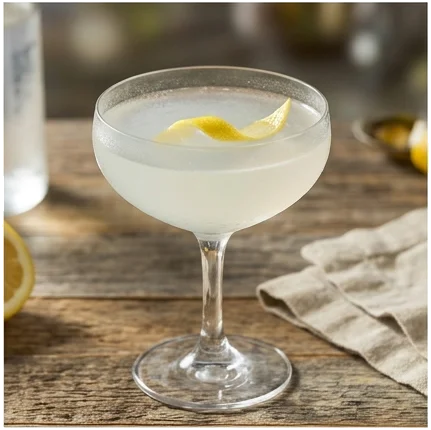
The first drink of the evening is less about alcohol and more about transition. It marks the shift from work mode to private time, or from a busy day to a calmer dinner table. I think of it as a small ritual: something light, deliberate, and easy to enjoy without rushing.
That first pour should wake up the palate, not overwhelm it. In many American bars, that is why aperitifs, beer, highballs, simple cocktails, and well-made alcohol-free drinks all have a place. Each one can open the evening in a different way, depending on appetite, weather, company, and mood.
What matters most is pacing. The first drink is often the one that sets the tone for everything that follows, so I like it to be balanced, refreshing, and easy to pair with food or conversation.
What makes a good first drink?
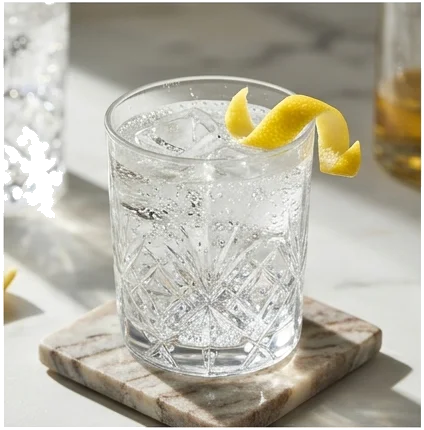
A good first drink is usually lighter in body, moderate in alcohol, and bright in flavor. It should feel inviting rather than demanding. Think citrus, bubbles, bitter notes, dry edges, or a clean finish. Heavy sweetness, aggressive alcohol, or a cocktail packed with too many ingredients can feel like too much too soon.
The goal is not to “start strong.” The goal is to ease into the evening with something that fits the moment. If dinner is coming, the drink should support appetite. If you are just arriving home, it should feel restorative in a simple, practical way.
Four qualities I look for
- Moderate ABV, so the drink stays relaxed and easy to pace.
- Freshness, often from citrus, herbs, soda, or a dry finish.
- Clarity, meaning the flavors are easy to understand at first sip.
- Restraint, because the first drink should invite the evening, not dominate it.
Aperitifs: the classic pre-dinner choice
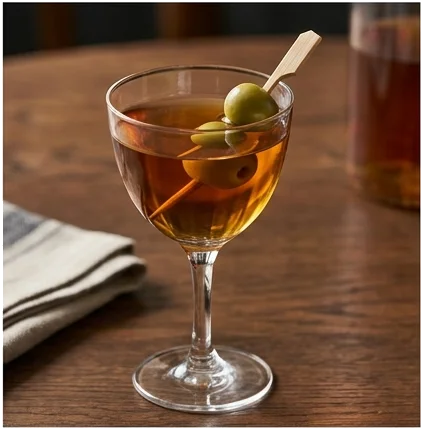
Aperitif is a broad term for a drink meant to be enjoyed before a meal. It can mean a wine-based drink, a lightly bitter liqueur, or a cocktail built around an aperitif spirit. The defining idea is appetite: a little bitterness, a little brightness, and enough structure to feel adult without feeling heavy.
Many bartenders describe aperitifs as “opening the palate.” I find that accurate. Bitterness can make food taste more vivid, while citrus and gentle dilution keep the drink crisp. Served cold, often in a smaller glass, an aperitif feels thoughtful and composed.
Examples of aperitif-style flavors
- Bitter orange
- Grapefruit
- Dry vermouth
- Light herbal notes
- Gentle carbonation
When an aperitif works best
An aperitif is ideal before dinner, especially if the meal will be rich or savory. It also works well when you want something elegant but not filling. If I am hosting, I often like to pour an aperitif-style drink because it signals a slower pace and gives guests something to sip while settling in.
Beer as the first drink: simple, cold, and straightforward
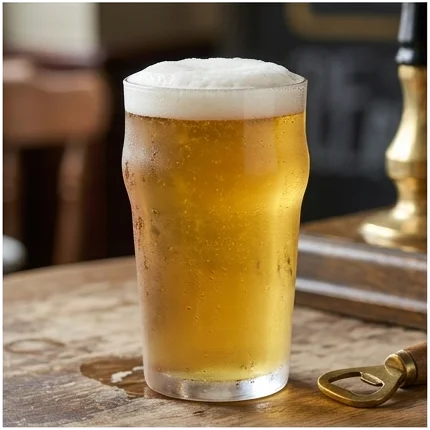
Beer is one of the easiest first drinks of the evening because it asks very little of the drinker. A cold lager, pilsner, or light ale can feel refreshing after work, especially in warm weather or after a long day on your feet. The bubbles help reset the palate, and the lower serving temperature adds to the sense of relief.
Craft beer gives you a wider range of choices, but the first drink does not need to be the boldest IPA in the fridge. A highly bitter IPA can be interesting, yet it may be more intense than necessary when you are just starting the evening. I often think the first beer should be clean and easy to read.
Beer styles that often suit an early evening pour
| Style | Why it works first | Flavor profile |
|---|---|---|
| Pilsner | Bright and crisp | Clean malt, gentle bitterness |
| Light lager | Very refreshing | Subtle grain, dry finish |
| Session ale | Flavorful but not heavy | Balanced malt and hops |
| Wheat beer | Soft and approachable | Light body, mild fruit notes |
Highballs: the easiest way to make a drink feel light
A highball is a spirit mixed with a larger amount of a carbonated mixer, usually served over ice in a tall glass. In plain terms, it is one of the cleanest ways to have a first drink that feels polished but not heavy. The formula is simple: spirit, soda or another fizzy mixer, ice, and sometimes a citrus garnish.
I like highballs because they let the spirit stay in the background. You still taste whiskey, gin, tequila, or rum, but the drink is stretched out and softened by bubbles. That makes it ideal for slow sipping before dinner or while decompressing after work.
Common highball directions
- Whiskey and soda for a dry, uncluttered start
- Gin and tonic for bitter, citrus-driven refreshment
- Tequila and soda with lime for a bright, simple profile
- Rum and ginger ale for a softer, slightly spiced option
Why highballs feel so practical
Highballs are easy to make at home, easy to drink slowly, and easy to pair with small bites. They also keep the first round from feeling too formal. If you want the evening to begin casually, a highball is often the most forgiving choice.
Simple cocktails that feel right at the start of the evening
Not every first drink needs to be a full cocktail with multiple liqueurs and elaborate garnish. Sometimes the best opening drink is a simple cocktail built around one spirit, one modifier, and one clear flavor idea. I tend to prefer drinks that are shaken or stirred with purpose, not clutter.
“Shaken” usually means the drink is mixed briskly with ice in a shaker, creating more chill, dilution, and texture. “Stirred” means the drink is gently mixed with ice for clarity and a smoother finish. For the first drink, both can work, but I usually lean toward a stirred or lightly built cocktail if I want something especially calm.
Examples of simple first-round cocktails
- Vodka soda with lime
- Gin and tonic
- Whiskey highball
- Spritz-style drinks with gentle bitterness and bubbles
- Dry martini variations for drinkers who want something sharper and more focused
Glassware matters more than people think
A coupe, rocks glass, or tall highball glass changes the mood of the drink. A coupe makes even a simple cocktail feel a little more considered. A rocks glass suggests a slower, more grounded pour. A tall glass keeps a fizzy drink bright and easy.
Alcohol-free options can be just as thoughtful
The first drink of the evening does not need alcohol to do its job. A zero-proof drink can still create that transition from day to evening, especially if it is served cold, balanced, and visually appealing. I think this matters in real social life. Not every guest wants alcohol, and not every night calls for it.
Alcohol-free options can borrow the same logic as aperitifs and highballs: bitterness, citrus, bubbles, and restraint. A bitter tonic, a non-alcoholic spritz, iced tea with citrus, or sparkling water with a twist of lemon can feel just right before dinner.
Good zero-proof first drinks often include
- Sparkling water with citrus peel
- Bitters-style non-alcoholic aperitif drinks
- Ginger beer with lime
- Iced tea with herbs or lemon
- Non-alcoholic highball-style mixes with soda
How I choose the right first drink at home
At home, I usually decide based on what is coming next. If dinner is rich, I may want a dry aperitif or a crisp beer. If I am cooking and want something easy to sip, a highball works well. If I am hosting and want the table to feel relaxed, I might pour both alcoholic and non-alcoholic options so nobody feels left out. A practical home bar makes those choices easier by keeping the right bottles, mixers, and basic supplies within reach. Choosing the best alcohol bottles to start your home bar makes it easier to pour the right first drink for any guest.
Practical pairing guide
- Salty snacks and aperitifs: a classic match for starting the evening.
- Grilled or savory dishes and beer: especially clean lagers or pilsners.
- Seafood and highballs: bright, dry drinks support delicate flavors.
- Cheese or charcuterie and simple cocktails: enough structure to stand beside richer bites.
- Vegetable dishes and zero-proof drinks: fresh, herbal, or citrus notes keep things lively.
Common mistakes with the first drink
The biggest mistake is making the first drink too strong, too sweet, or too complicated. A dense cocktail can flatten the appetite and make the rest of the evening feel slower than intended. Another common misstep is serving the drink too warm or too diluted. Ice should chill the drink, not drown it.
What to avoid
- Oversized pours, especially before a meal.
- Heavy syrups that make the drink feel dessert-like.
- Too much garnish, which can distract from the flavor.
- Using poor-quality ice that melts too fast.
- Skipping water, especially if you plan to have more than one drink.
A thoughtful way to begin the evening
The first drink of the evening works best when it feels intentional. Whether you choose an aperitif, a beer, a highball, a simple cocktail, or a zero-proof option, the point is the same: ease into the night with something clean, calm, and well made. That small ritual can be one of the most pleasant parts of bar culture at home or out in the world.
I think the quiet art of that first sip lies in moderation, attention, and timing. A good opening drink does not try to impress too loudly. It simply makes room for whatever comes next.
Frequently Asked Questions
What is the best first drink before dinner?
An aperitif or a light highball is often a strong choice before dinner because both are refreshing, balanced, and unlikely to feel heavy.
Is beer a good first drink after work?
Yes, especially a crisp lager, pilsner, or light ale. I would usually avoid starting with the strongest or most bitter beer if the goal is to unwind gently.
What does highball mean?
A highball is a spirit mixed with a larger amount of a carbonated mixer, served over ice in a tall glass. It is one of the simplest and most versatile early-evening drinks.
Can a non-alcoholic drink still feel like a proper first drink?
Absolutely. A zero-proof drink with bubbles, citrus, or bitter notes can create the same sense of transition and ritual without alcohol.
How much should I pour for the first drink of the evening?
Keep it modest. A smaller pour helps with pacing, especially if dinner is still ahead. It also leaves room for water, food, and better judgment.
Leave a Comment