
Low-ABV Cocktails and Why They Belong in Modern Home Bars
Low-ABV cocktails are drinks made with less alcohol than a standard stirred spirit-forward cocktail, usually by leaning on fortified wine, vermouth, sherry, beer, or a smaller pour of spirits balanced with soda or citrus. In a home bar, they make sense because they are flexible, easier to pace, and often more food-friendly than stronger drinks.
I think they deserve a place in modern home bars for a simple reason: not every drink needs to be built around a full measure of whiskey, gin, or tequila. Some of the most useful drinks for everyday entertaining are the lighter ones. They still feel thoughtful, still taste deliberate, and still let the flavors of fruit, herbs, bitterness, and bubbles do real work. If you are choosing bottles for variety, it also helps to understand craft gin and how it differs from mass-market options.
For American readers building a home bar, low-ABV cocktails are especially practical. They use bottles that last longer, they pair well with snacks and dinner, and they fit the kind of relaxed hosting that does not revolve around heavy pours. If you want drinks that feel polished without pushing the evening too hard, this is a category worth knowing.
What counts as a low-ABV cocktail?
There is no single legal definition, but low-ABV usually means a drink with noticeably less alcohol than a classic cocktail like a Martini, Manhattan, or Old Fashioned. Many low-ABV drinks use ingredients such as vermouth, sherry, aperitif wine, or beer, which sit below the strength of most spirits.
Some bartenders also use the term for cocktails that include a smaller spirit base and then stretch the drink with soda, tonic, tea, or juice. The point is not to remove alcohol completely. The point is to make the drink lighter in body, easier to sip slowly, and more adaptable to daytime or early-evening settings.
Why low-ABV drinks are useful at home
- They are easier to serve when guests want to keep a moderate pace.
- They work well before dinner or alongside food.
- They let you use open bottles of vermouth or sherry before they lose freshness.
- They are a good bridge between zero-proof drinks and full-strength cocktails.
- They help a home bar feel more versatile without requiring a huge bottle collection.
How vermouth fits into low-ABV cocktails
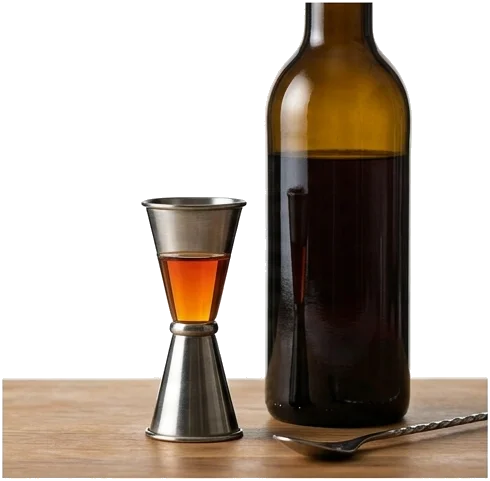
Vermouth is one of the most important bottles in this category. It is fortified and aromatized wine, so it has more structure than regular wine but much less alcohol than spirits. Sweet vermouth brings spice, dried fruit, and herbal depth. Dry vermouth is leaner, more floral, and often more bracing.
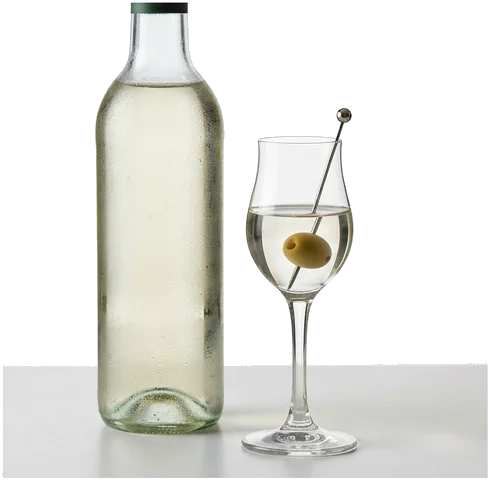
In many American bars, vermouth is treated as a supporting ingredient. I think that undersells it. A vermouth-based drink can be elegant on its own, especially when served very cold with a twist of citrus or a single olive. It is one of the easiest ways to build a low-ABV cocktail that still tastes complete.
Practical vermouth tips for the home bar
- Keep vermouth refrigerated after opening.
- Use smaller bottles if you do not mix often.
- Taste before pouring. Old vermouth loses brightness quickly.
- Match sweet vermouth with darker flavors like orange peel, amaro, or bitters.
- Match dry vermouth with citrus, olives, or briny accents.
Why sherry works so well in lighter drinks
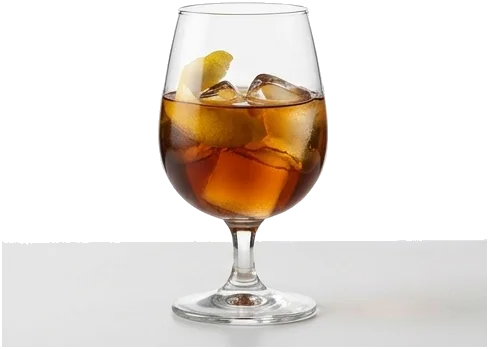
Sherry brings a different kind of low-ABV depth. Depending on the style, it can be dry, nutty, saline, or gently sweet. Fino and Manzanilla sherries are especially useful in lighter cocktails because they feel crisp and savory. Oloroso leans richer and can add a rounder finish.
I like sherry in home-bar drinks because it gives structure without the blunt force of spirit. It also plays nicely with citrus, herbs, and even a little carbonation. If vermouth is the classic bartender’s all-purpose fortified wine, sherry is the quieter bottle that rewards careful mixing.
Common ways to use sherry
- Served chilled in a small glass as a simple aperitif.
- Mixed with sparkling water and a citrus peel.
- Combined with gin in a lighter split-base cocktail.
- Used with orange bitters or a touch of syrup for balance.
What makes spritz-style drinks so popular?
Spritz-style drinks are popular because they solve a real hosting problem: how to serve something refreshing, social, and flavorful without making the drink too strong. A spritz usually combines something bitter or aromatized, something bubbly, and often a wine or low-ABV base. The result is bright, fizzy, and easy to sip.
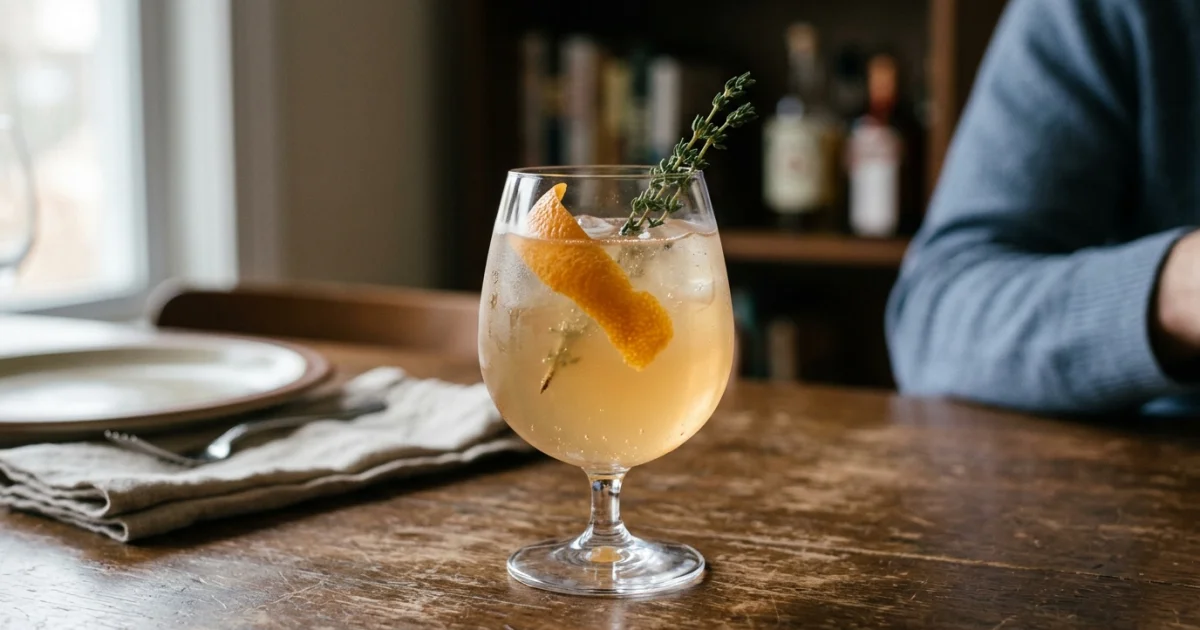
The classic spritz formula works because carbonation makes the drink feel lively, while bitterness keeps it from tasting flat or sugary. At home, a spritz is one of the best ways to make a drink feel festive without getting complicated. It also looks good in a wine glass or a large stemmed glass with plenty of ice.
A simple spritz framework
- Base: aperitif wine, vermouth, sherry, or a small spirit pour.
- Bubbles: soda water, sparkling wine, or tonic.
- Accent: citrus, bitters, herbs, or a light syrup.
- Finish: a garnish such as orange, lemon, or rosemary.
Can beer cocktails count as low-ABV?
Yes, and they often deserve more respect than they get. Beer cocktails can be very light, especially when beer is paired with citrus, aperitif wine, or a small amount of spirits. They are useful when you want flavor, texture, and carbonation without moving into stronger cocktail territory.
In American home bars, beer cocktails are often overlooked because people think of them as novelty drinks. I see them differently. They are one of the easiest ways to create a refreshing, food-friendly drink from ingredients many people already have on hand. A crisp lager, a wheat beer, or a light ale can be a smart base for a lower-alcohol serve.
Beer cocktail ideas that make sense at home
- Lager with a squeeze of lime and a pinch of salt.
- Wheat beer with citrus juice and a light spirit top-note.
- Shandy-style mixes with beer and lemon soda.
- Beer plus aperitif wine for a bitter, bubbly spritz variation.
Simple low-ABV examples for home use
Here are a few easy examples that show how the category works. These are not strict rules, just practical starting points for a home bar.
| Drink style | Main ingredients | Approximate character | Best glass |
|---|---|---|---|
| Vermouth and soda | Sweet or dry vermouth, soda water, citrus peel | Light, herbal, very easy to sip | Wine glass or highball |
| Sherry spritz | Fino or Manzanilla sherry, sparkling water, lemon | Dry, nutty, bright | White wine glass |
| Classic spritz | Aperitif wine, sparkling wine, soda, orange slice | Bitter, bubbly, refreshing | Large wine glass |
| Beer citrus cooler | Light beer, lime or lemon, optional splash of soda | Crackling, citrusy, session-friendly | Pint glass or tall glass |
| Split-base cobbler | Small spirit pour, sherry or vermouth, fruit, ice | Fragrant, softer than a standard cocktail | Short tumbler or wine glass |
What to keep in your home bar for low-ABV drinks
You do not need a large collection. A few well-chosen items can cover most low-ABV builds.
- Dry vermouth and sweet vermouth
- One dry sherry, such as fino or Manzanilla
- One bittersweet aperitif style if you enjoy spritzes
- Soda water and tonic
- Fresh lemons, limes, and oranges
- Bitters
- Simple syrup or honey syrup
- A few beer styles, especially lager or wheat beer
What mistakes do people make with low-ABV cocktails?
The biggest mistake is treating them like weak versions of “real” drinks. They are not incomplete. They need the same attention to balance, temperature, and garnish that a stronger cocktail does.
- Using stale vermouth or sherry.
- Skipping enough ice and serving drinks too warm.
- Adding too much syrup and flattening the drink.
- Ignoring bitterness, which often gives the drink shape.
- Overpouring spirits and turning a light drink into a strong one.
Responsible drinking and thoughtful hosting
Low-ABV cocktails fit thoughtful hosting because they make pacing easier. I like that they leave room for conversation, food, and a slower rhythm. They are not a reason to drink more, just a way to serve better-balanced options. Offer water, serve small pours when needed, and make sure every guest has the option of a zero-proof drink. As always, only serve alcohol to legal drinking-age adults and never put pressure on anyone to drink.
Final takeaway
Low-ABV cocktails belong in modern home bars because they are practical, flexible, and genuinely useful. Vermouth, sherry, spritz-style drinks, and beer cocktails give you flavor without demanding a heavy pour, which makes them ideal for relaxed hosting and everyday drinking with restraint.
If your home bar is only built around full-strength spirits, it is missing one of the most approachable parts of cocktail culture. A few lighter bottles and some fresh citrus can open up a whole new set of drinks.
Frequently Asked Questions
Are low-ABV cocktails always made without spirits?
No. Some contain a small amount of spirits, but the overall drink is built around lower-alcohol ingredients such as vermouth, sherry, or beer.
What is the easiest low-ABV drink to make at home?
Vermouth with soda and a citrus peel is one of the easiest. It needs almost no technique and still tastes intentional.
Do low-ABV cocktails need special glassware?
Not really. A wine glass, highball, or small tumbler usually works fine, as long as the drink is served cold and with enough ice when appropriate.
How long do vermouth and sherry last after opening?
They are best treated like wine, not spirits. Refrigeration helps, and they taste freshest within a reasonable period after opening.
Can low-ABV cocktails still feel festive?
Absolutely. Bubbles, citrus, bitter accents, and a good garnish can make a light drink feel just as polished as a stronger one.
Leave a Comment