
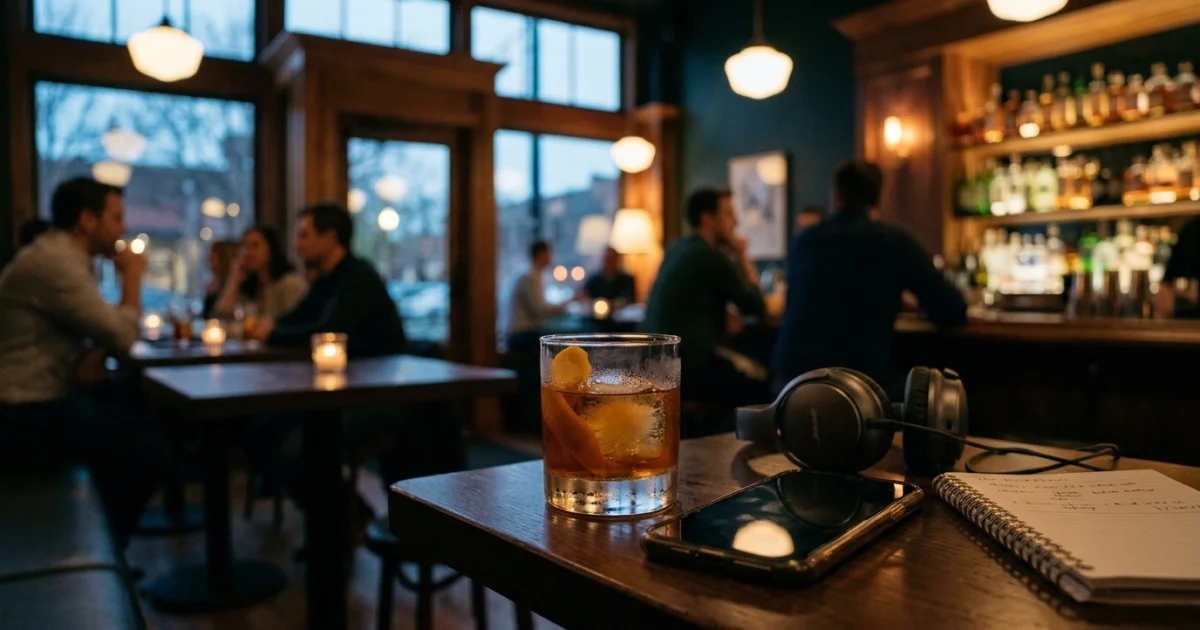
How to Build a Better Bar Playlist for Dinner, Drinks, and Late-Night Conversation
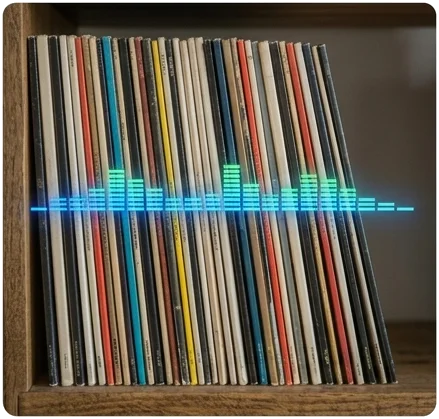
A good bar playlist does not just fill silence. It shapes the room. For dinner, drinks, and late-night conversation, the right music supports the pace of the evening without taking over. I think of it as part of the hospitality: steady, thoughtful, and easy to live with.
The best bar music is not necessarily the loudest, the trendiest, or the most “cool.” It is music that helps people talk, eat, sip slowly, and settle into the night. At home, that usually means starting with softer, warmer sounds, then gradually adding more energy as the evening opens up, and finally easing back down when the conversation gets deeper and the volume in the room starts to rise.
If you are hosting adults who are there to enjoy food, cocktails, whiskey, beer, or a good zero-proof option, the playlist should feel like another layer of the table setting. It should support the mood, not compete with it. That same approach works for an adult bar night, where drinks, music, and conversation should all feel balanced.
What makes a bar playlist work?
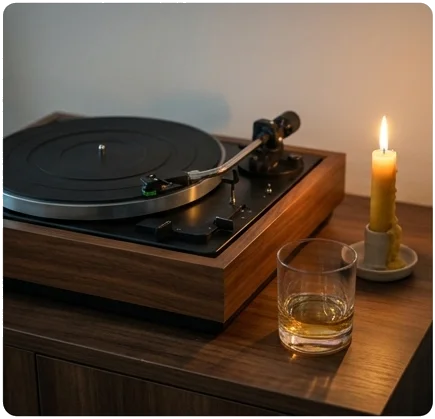
A strong bar playlist does three things well. It creates a mood, it respects conversation, and it gives the night a sense of movement. That movement matters. Dinner music usually needs more space and less percussion. Mid-evening music can carry a little more rhythm. Late-night music can be looser, warmer, or more nostalgic, depending on the room.
In many American bars, the music feels best when it seems intentional but not distracting. You notice it, but you do not have to fight it. That same rule works at home. If a guest has to raise their voice to speak across the table, the playlist is too loud or too dense.
Think in phases, not in one long mood
A playlist that works from 7 p.m. to midnight usually needs a few clear shifts. I like to divide the night into three parts:
- Early evening: dinner, arrivals, first pours, easy conversation.
- Middle of the night: second round, richer drinks, more relaxed energy.
- Late night: slower pace, lower volume, longer conversations.
These phases do not have to feel dramatic. The transition can be subtle. A little more groove after dessert. A little less percussion after the second drink. A softer vocal track when the room gets quieter.
How should you pace a playlist through the night?
The easiest way to pace a playlist is to start with restraint and add energy gradually. That mirrors a good evening at the bar. People arrive, settle in, eat, sip, and only later lean into the night. Music should follow that arc.
Start with music that leaves room for conversation
At dinner, I prefer tracks that have texture without pushing too hard. Acoustic jazz, mellow soul, understated funk, bossa nova, quiet indie, soft instrumental pieces, and older standards can all work if the volume stays controlled. The goal is not to create a theme night. The goal is to give the room some warmth.
- Keep vocals clear but not dominant.
- Avoid heavy bass early in the evening.
- Choose songs with a steady pulse rather than abrupt changes.
- Leave space between tracks if needed, so the room can breathe.
Build energy after the first round
Once dinner is moving and drinks are flowing slowly, the playlist can open up. This is the moment for tracks with a stronger beat, more personality, and a little more presence in the room. I am not talking about turning the volume up to party levels. I am talking about shifting from “background for the table” to “soundtrack for the gathering.”
This is a good time for classic R&B, laid-back disco, vintage pop, elegant electronic music, softer rock, or groove-heavy records. The room usually feels livelier without needing to become loud.
Slow it down again later
Late-night conversation benefits from music that relaxes the room. The smartest move is often to reduce the number of tracks with sharp edges. Less urgency. Less clutter. More atmosphere. This is especially useful if guests are finishing whiskey neat, a small pour of Scotch, a beer, or a low-ABV cocktail and settling in rather than speeding up.
A later set might include quieter jazz, ambient selections, slower soul, folk, or instrumental music with a calm tone. The point is to keep the space comfortable as the night becomes more reflective.
How loud should bar music be?
Short answer: quieter than you think. Music in a home bar or dining room should support the room, not dominate it. If someone has to lean forward to talk, the sound level is probably too high. If the playlist feels invisible, you may have it just right.
In practical terms, I like music loud enough to create a sense of atmosphere at the edges of the room, but soft enough that glassware clinks, laughter, and conversation still feel natural. For a dinner party, the volume should usually sit lower than it would for a casual pregame environment. For late-night conversation, lower still.
Simple volume checks that actually help
- Stand at the far end of the table and listen for the vocals.
- If a phone rings or someone asks a question, the music should not block it out.
- Lower the volume when the room gets smaller or more intimate.
- Raise it slightly only if the conversation is naturally growing louder.
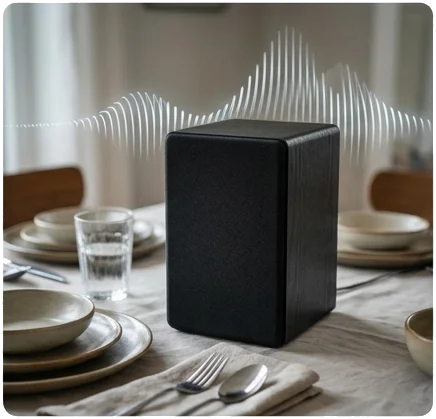
I also think it helps to keep the speaker placement sensible. A single speaker pointed at the center of the room is often better than a setup that blasts one side of the table. If you use multiple speakers, balance them carefully so the sound feels even, not harsh.
Which genres work best for dinner, drinks, and conversation?
There is no single perfect genre for bar culture. Different parts of the evening ask for different sounds. The key is to match the music to how people are feeling, eating, and talking.
| Part of the evening | Good genre choices | Why they work |
|---|---|---|
| Dinner | Jazz, bossa nova, soul, acoustic sets, instrumental music | They add texture without crowding the table |
| Mid-evening drinks | Funk, soft disco, classic rock, R&B, tasteful electronic | They bring rhythm and momentum without turning aggressive |
| Late-night conversation | Slow jazz, ambient music, folk, mellow soul, downtempo | They create calm and give people space to talk |
Use genre shifts as a social cue
A playlist can quietly guide the room. If dinner is ending, a slightly more rhythmic track tells guests that the night is moving into the after-dinner stage. If the last drink is being poured, something softer signals that the gathering is winding down. This is subtle hosting, but it matters.
I have found that people often respond to music more than they realize. A shift from bright, busy music to something slower can change the feel of the whole table within minutes.
What mistakes should you avoid?
The most common mistake is treating the playlist like a personal performance. A bar playlist should not be about showing off taste. It should be about making the room comfortable.
- Do not make every song a statement.
- Do not jump wildly between genres.
- Do not let bass-heavy tracks take over the conversation.
- Do not play songs with lyrics that become distracting at the table.
- Do not keep the same energy all night.
Another mistake is ignoring the actual shape of the evening. If people are eating a slow meal, the music should not feel rushed. If the table is already lively, you do not need to keep pushing volume higher. Good hosting often means doing a little less.
How can you build a playlist for different drinks?
You do not need to match every drink with a specific genre, but drinks do influence the mood of the room. A whiskey and soda over dinner calls for a different setting than a round of bright gin cocktails or a couple of low-ABV spritzes. Beer can shift the energy too, especially if guests are having a craft beer with food and staying a while. If tequila is on the menu, the right tequila cocktails can help keep the mood bright and easy to sip. If you want to choose the right pour for the table, it helps to know the popular American craft beer styles.
- Neat pours and slower sipping often pair well with quieter, more thoughtful music.
- Highballs and lighter cocktails fit a brighter, steadier groove.
- Late-night pours and digestif-style drinks usually work best with lower volume and slower tracks.
- Zero-proof drinks deserve the same care; the playlist should never imply that alcohol is required for a good time.
I think that matters culturally. Thoughtful drinking is about pacing, comfort, and choice. Music can reinforce that by making the night feel generous rather than rushed.
Practical tips for a better home bar playlist
- Create three short playlist sections: dinner, drinks, and wind-down.
- Use crossfades or gentle transitions so the shifts feel natural.
- Mix familiar tracks with deeper cuts so the music feels alive, not repetitive.
- Keep a few fallback songs ready in case the room needs a reset.
- Test the volume before guests arrive, with the room empty and then again with conversation happening.
- Match the music to the size of the room. Small rooms need less intensity.
- Let silence exist between songs if it helps the room feel relaxed.
How do you keep the night thoughtful and responsible?
A better playlist is part of a better hosting style. It should support a night where guests can choose small pours, food, water, and non-alcoholic options without feeling awkward. Good bar culture is not about pressure. It is about comfort and good judgment.
If people are drinking alcohol, the music should not push the room into a faster, louder, more reckless pace. The best home gatherings usually feel steady. Guests can talk, pause, refill a glass, switch to water, or stop drinking altogether without the energy of the room making that feel strange. That is thoughtful hosting.
Final takeaway
A better bar playlist is one that follows the rhythm of the evening. Start soft for dinner, build a little energy for drinks, and bring the room down again for late-night conversation. Keep the volume lower than you think, use genre shifts with purpose, and let the music support the people in the room rather than overpower them.
Frequently Asked Questions
What is the best volume for a dinner party playlist?
The best volume is low enough that guests can speak normally without leaning in. If people have to raise their voices, the music is too loud.
Should a bar playlist stay in one genre?
Not necessarily. A gradual shift between compatible genres often works better than staying locked into one sound all night.
What music works best for late-night conversation?
Slower jazz, mellow soul, ambient tracks, and calm instrumental music usually work well because they lower the energy without making the room feel empty.
How many songs should a hosting playlist have?
Enough to avoid repetition during the evening. For a longer dinner-to-late-night gathering, I like a playlist that can comfortably run several hours without repeating obvious favorites too quickly.
Do I need music at all for a home bar?
No. Music is helpful, but it is not mandatory. A quiet room, good conversation, and a thoughtful pace can be just as effective when the mood calls for it.
Leave a Comment