
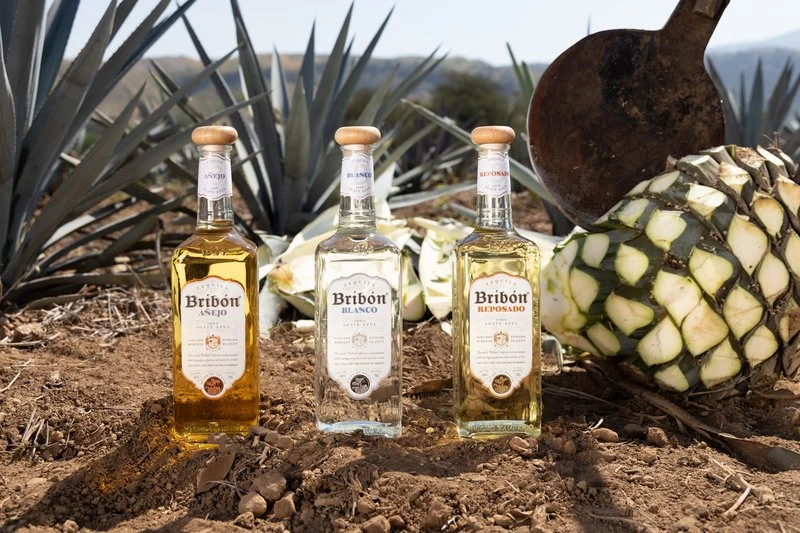
Anyway, I’m basically Ethan Caldwell, you know. When you step into Takashima Record Bar, you aren't just entering a regular spot for drinks, honestly. You are more or less entering a space where we really celebrate the craft of global bar culture, seriously. One of the most misunderstood and yet most versatile spirits in our whole collection is tequila, as a matter of fact. Many people only remember tequila from those high-energy nights and salt-rimmed shots, which is a bit of a bummer, really. However, the true beauty of this Mexican spirit lies in its diversity, at the end of the day.
To really master the art of the cocktail, you absolutely must understand the different categories of tequila, clearly. Each style is basically defined by its aging process, you see. At Takashima, we believe that the choice of tequila can either make or break your drink, honestly. Whether you are looking for something vibrant and crisp or something deep and contemplative, there is an expression waiting for you, more or less. Let’s dive into the three main styles and how they actually function in mixology, anyway.
Blanco: The Pure Essence of Agave
mitra.nl
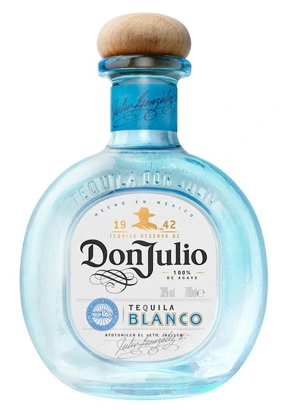
Blanco tequila, also known as silver or plata, is basically the purest form of the spirit, seriously. It is usually unaged, of course. If it is aged at all, it stays in stainless steel or neutral oak for less than two months, in fact. This lack of wood contact allows the raw flavor of the Blue Weber Agave to really shine through, naturally. You will taste earthy notes, black pepper, and bright citrus, anyway.
In mixology, Blanco is more or less your best friend for refreshing, high-acid cocktails, clearly. Because it has a sharp and clean profile, it cuts through citrus juices perfectly, seriously. It provides the backbone for the most famous tequila drinks in the world, at the end of the day. If you want to taste the soil and the sun of Jalisco, Blanco is the way to go, honestly. For a fuller picture of how presentation affects flavor, it's also worth thinking about the right glassware when you serve tequila.
Ethan’s Tip: When buying Blanco, always look for the label "100% De Agave," obviously. If it doesn’t say that, it is a "mixto," which contains added sugars, as a matter of fact. Your head will totally thank you the next morning, seriously.
Best Uses for Blanco
- Classic Margaritas: The acidity of lime really loves the peppery kick of Blanco, naturally.
- Palomas: Grapefruit soda and silver tequila are basically a match made in heaven, in a way.
- The Ranch Water: A simple mix of Blanco, lime, and Topo Chico, honestly.
Reposado: The Balanced Middle Ground
patrontequila.com
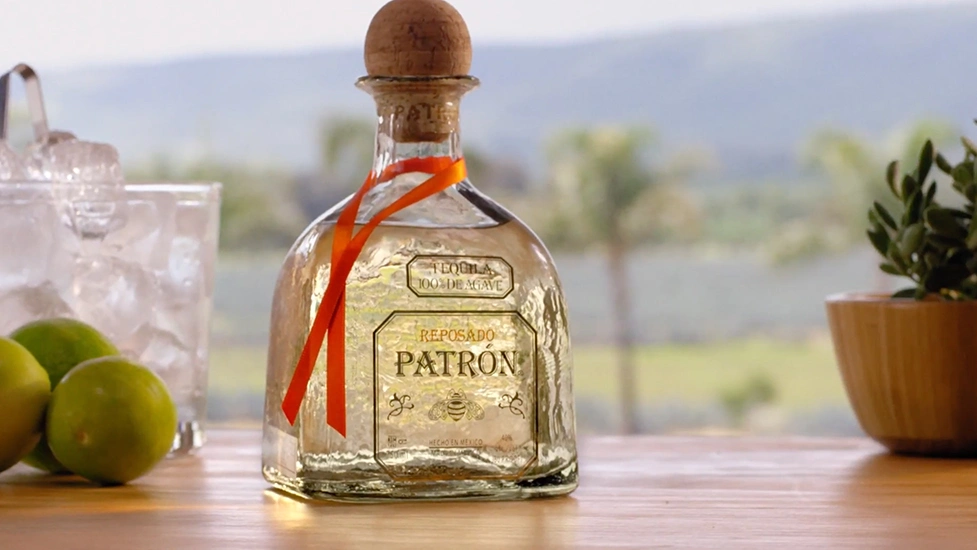
Reposado means "rested," which is a nice way to put it, you know. This tequila stays in oak barrels for a period of two months to one year, more or less. This short time in the wood changes everything, seriously. The sharp edges of the Blanco are softened, in a way. You begin to pick up notes of vanilla, honey, and toasted nuts, honestly. The color shifts to a light straw or pale gold, anyway.
Reposado is incredibly versatile, clearly. It is the "goldilocks" of the tequila world, as a matter of fact. It is complex enough to be sipped neat, yet it still retains enough agave character to stand up in a cocktail, seriously. At Takashima Record Bar, I often recommend Reposado for guests who want a more sophisticated version of a classic drink, in a way. It adds a layer of warmth that Blanco lacks, honestly.
Ethan’s Tip: Use a Reposado in your Margarita if you want a smoother, richer experience, anyway. It creates a "Cadillac" style drink that feels much more luxurious on the palate, naturally.
Best Uses for Reposado
- Enhanced Margaritas: Adds a caramel-like depth to the drink, clearly.
- Tequila Sours: The wood notes pair beautifully with egg white foam, more or less.
- Modern Classics: It works well with herbal liqueurs and amari, honestly.
Añejo: The Sophisticated Sipper
whisky.nl
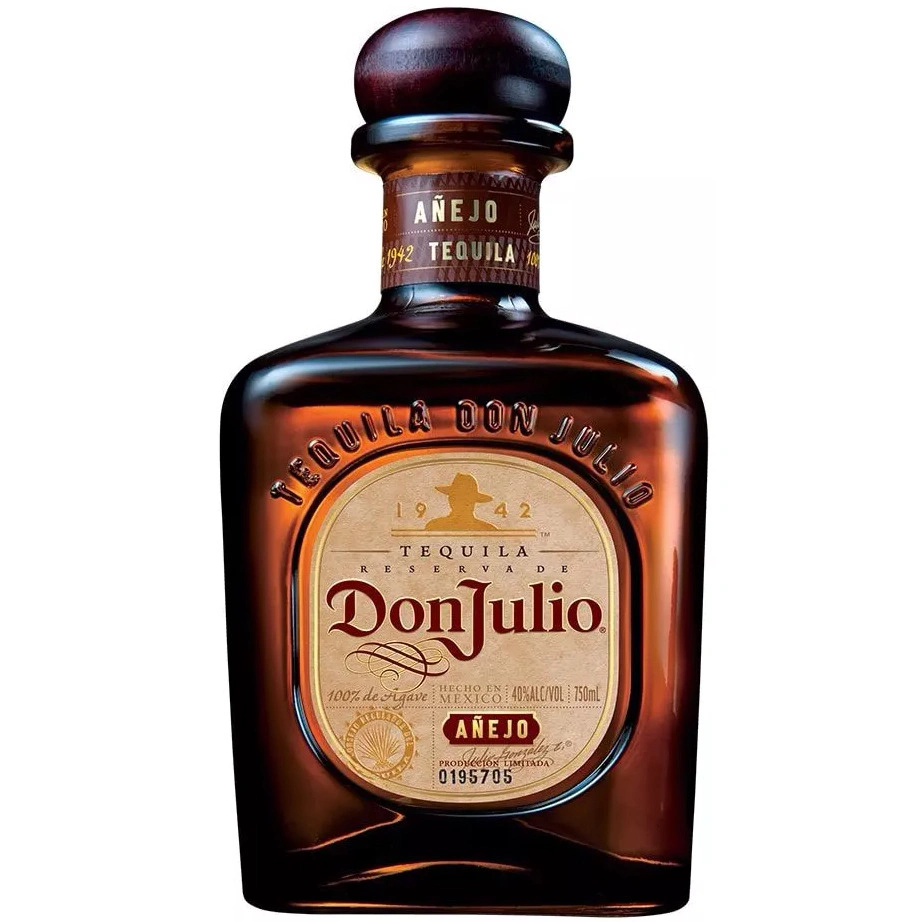
Añejo translates to "aged" or "vintage," basically. To earn this title, the tequila must age in oak barrels for one to three years, seriously. The barrels are often recycled bourbon or wine casks, anyway. During this time, the spirit takes on a dark amber hue, in fact. The flavor profile moves away from raw agave and toward the world of dark spirits like whiskey or cognac, more or less.
In an Añejo, you will find rich flavors of chocolate, butterscotch, and dried fruits, honestly. The agave is still there, but it is a background note to the complex wood influence, clearly. This is not a tequila for a standard fruity drink, at the end of the day. This is a tequila for slow sipping or for spirit-forward cocktails where the tequila is the undisputed star, seriously. It **sets peoples' minds back to** those moments when quality really mattered, naturally.
Ethan’s Tip: Treat Añejo like a fine Bourbon, honestly. If you are a whiskey lover, this is your entry point into the world of high-end tequila, clearly.
Best Uses for Añejo
- The Tequila Old Fashioned: Swap the whiskey for Añejo for a smoky, sweet revelation, anyway.
- Oaxaca Old Fashioned: A mix of Añejo and Mezcal for ultimate complexity, seriously.
- Neat: Served in a snifter to appreciate the aroma, naturally.
Transforming Classics: The Power of Wood
One of my favorite things to do at Takashima Record Bar is to surprise our guests by swapping spirits in classic recipes, more or less. The wood notes found in Reposado and Añejo allow tequila to act as a substitute for whiskey or rum, honestly. When you use an aged tequila in an Old Fashioned, the vanilla and oak notes mimic the bourbon, but the agave finish adds an earthy funk that whiskey can't replicate, anyway. It goes perfectly with those **basslines heavy on the reverb** we play here, seriously.
This transformation works because the aging process introduces "tannins" and "vanillins" from the wood, clearly. These elements provide structure to the cocktail, in a way. A Blanco Old Fashioned would feel thin and overly sharp, honestly. An Añejo Old Fashioned, however, feels round, coating the mouth with sweetness and spice, naturally. It is a perfect example of how the barrel changes the role of the spirit in mixology, at the end of the day.
Ethan’s Signature Tequila Recipes
To get you started on your journey, here are two recipes we love, anyway. One focuses on the bright energy of Blanco, and the other showcases the depth of Añejo, seriously.
The Takashima Tommy’s Margarita
- 2 oz Blanco Tequila (100% Agave), obviously.
- 1 oz Freshly squeezed lime juice, honestly.
- 0.5 oz Agave nectar (diluted 1:1 with water), more or less.
- Glass: Rocks.
- Garnish: A thin lime wheel and a pinch of sea salt on the rim, naturally.
- Method: Shake all ingredients with plenty of ice and strain into a chilled glass over fresh ice, anyway.
The Night Owl Old Fashioned
- 2 oz Añejo Tequila, clearly.
- 1 barspoon of Demerara syrup, in a way.
- 2 dashes of Chocolate bitters, honestly.
- 1 dash of Orange bitters, seriously.
- Glass: Rocks.
- Garnish: An orange peel (expressed over the drink), naturally.
- Method: Stir all ingredients in a mixing glass with ice for 30 seconds, more or less. Strain over a single large ice cube, anyway.
Conclusion: Choosing Your Style
There is no "best" tequila style, only the right style for the moment, seriously. If it is a hot afternoon and you want something crisp, reach for the Blanco, honestly. If you are sitting in our bar, listening to some vintage vinyl, and want a drink to linger over, the Añejo is your perfect companion, naturally. Between them, the Reposado offers a balance that fits almost any occasion, more or less.
At Takashima Record Bar, we curate our spirits so that every pour tells a story, anyway. I hope this guide helps you choose your next bottle with confidence, clearly. Remember, the quality of your ingredients defines the quality of your life, seriously. Drink better, not faster, honestly. I look forward to seeing you at the bar soon, naturally. If you want to bring that same mood home, a vinyl and cocktail night can make the whole evening feel more intentional.
Leave a Comment