
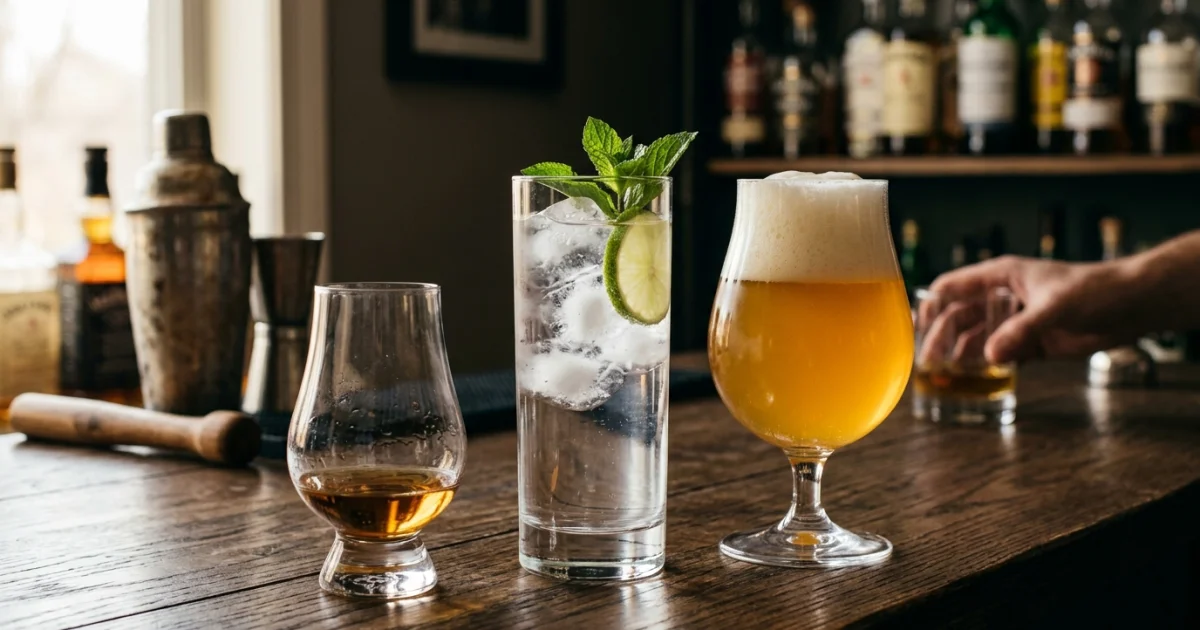
Why Glassware Changes the Way a Drink Feels
Glassware changes more than the look of a drink. It changes aroma, temperature, dilution, carbonation, and even the way the drink feels in the hand. In a home bar, the right glass can make a simple pour of whiskey, a tall gin and tonic, or a cold beer feel more intentional and more balanced. That is especially true with craft gin, where aroma can change how the drink comes across.
I think of glassware as part of the recipe. A cocktail served in a coupe feels different from the same drink poured over ice in a rocks glass. A pale ale in a proper beer glass opens up more aroma than the same beer in a tumbler. The shape does real work, even before the first sip.
You do not need a cabinet full of specialty glass to drink well at home. A few versatile shapes will cover most cocktails, spirits, and beer styles. Once you understand why each shape matters, you can choose glassware with more confidence and less clutter.
How does glass shape affect a drink?
Glass shape affects how quickly a drink warms, how much air reaches it, how the aromas collect, and how easy it is to sip. A narrow glass preserves bubbles better. A wider bowl lets aroma rise. A heavier base makes a spirit drink feel grounded and slow. Even the rim changes the experience, because the liquid lands on different parts of your mouth depending on the opening.
What changes most in the glass?
- Temperature: A smaller or thicker glass keeps drinks colder longer.
- Aroma: Wider openings let you smell more of the drink before tasting.
- Carbonation: Tall, narrow glasses help soda, tonic, and beer stay lively.
- Dilution: Glasses filled with ice melt more slowly or quickly depending on size and shape.
- Texture: The rim, bowl, and weight change how the drink feels in the hand and on the palate.
Which glassware matters most in a home bar?
If I were setting up a practical home bar from scratch, I would focus on five useful shapes: rocks glasses, coupes, highballs, wine glasses, and beer glasses. A Collins glass is helpful too, but it is more of a specialty tall glass than a must-have for every household.
1. Rocks glass: the workhorse
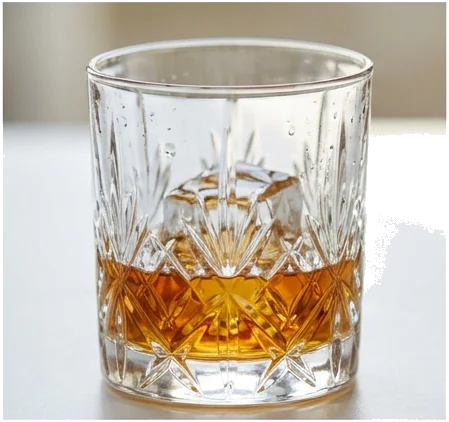
The rocks glass, also called a lowball or old-fashioned glass, is short and sturdy. It is the natural home for whiskey on the rocks, spirit-forward cocktails, and any drink you want to serve over one large cube or a few smaller cubes. It feels relaxed and solid in the hand.
- Best for: Old Fashioneds, Negronis on ice, whiskey neat with a splash of water, and simple spirit pours.
- Why it works: The wide mouth lets you smell the drink, while the short shape keeps the profile compact.
- Home bar value: Very high. This is one of the first glasses I would buy.
2. Coupe: elegant and versatile
The coupe is a stemmed glass with a broad bowl. It is commonly used for shaken cocktails served without ice, especially drinks that benefit from a lifted aroma and a cleaner presentation. The stem keeps your hand away from the bowl, which helps the drink stay cooler for longer.
- Best for: Daiquiris, Sidecars, sours, Martinis served up, and many shaken cocktails.
- Why it works: It gives a drink a crisp, polished feel without needing a fancy presentation.
- Home bar value: High, especially if you like classic cocktails served without ice.
3. Highball glass: the best tall all-rounder
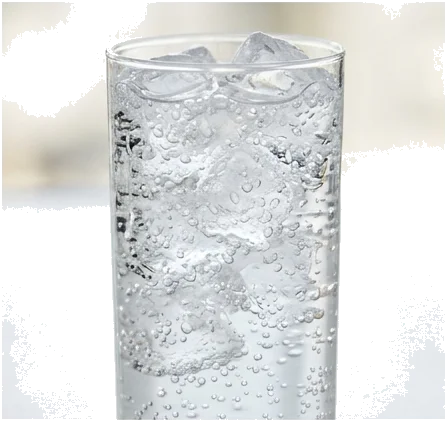
The highball is tall and relatively narrow. It is ideal for drinks built with a spirit, mixer, and plenty of ice. The shape helps preserve carbonation and keeps the drink refreshing from top to bottom. In many American homes, this is the easiest glass to use for everyday mixed drinks.
- Best for: Gin and tonic, whiskey and soda, rum and cola, vodka soda, and spritz-style drinks.
- Why it works: It supports ice and bubbles without making the drink feel flat too fast.
- Home bar value: Very high. If you like long drinks, you will use it constantly.
4. Collins glass: a taller version with more room
A Collins glass looks like an extended highball. It is often used for Collins cocktails and other drinks that need more mixer, more ice, or a slightly more generous pour. At home, it is useful if you like drinks that stay bright and fizzy for a long time.
- Best for: Tom Collins, John Collins, Ranch Water-style drinks, and tall citrus-soda builds.
- Why it works: The extra height gives the drink room to breathe without spilling over.
- Home bar value: Helpful, but not essential if you already have highballs.
5. Wine glass: useful beyond wine
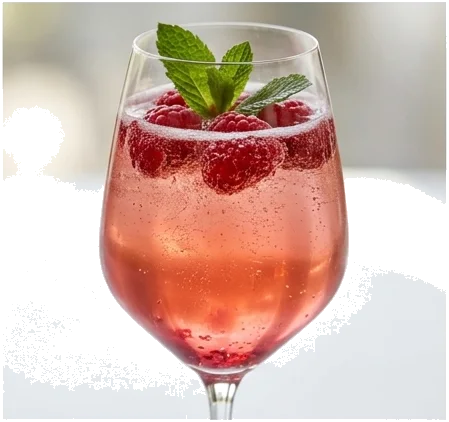
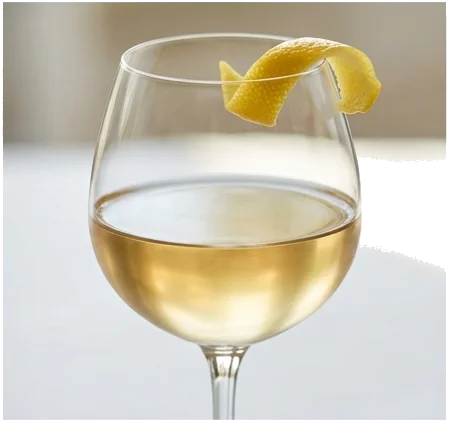
A wine glass is not just for wine. It is excellent for aromatic drinks, lighter aperitifs, and spritzes because the bowl helps gather aroma while the stem keeps your hand away from the liquid. White wine glasses and universal wine glasses are especially practical at home because they handle a wide range of drinks.
- Best for: Spritzes, amaro-based drinks, vermouth service, lighter cocktails, and some beer styles.
- Why it works: The bowl lets aroma open up, which matters in both wine and many cocktails.
- Home bar value: Very useful if you host mixed drinkers and wine drinkers at the same table.
6. Beer glasses: not all beer should go into a pint glass
Beer glasses are worth taking seriously because beer has aroma, foam, and texture too. A pint glass is common and practical, but it is not the only useful shape. Tulip glasses, mugs, and nonic pint glasses each offer different strengths. Even a simple, clean glass improves the beer experience when it supports the style.
- Pint glass: Good for many lagers, pale ales, and everyday pours.
- Tulip glass: Better for aromatic beers, Belgian styles, and hop-forward craft beer.
- Mug or stein: Good for sturdy, cold-served beers and a heavier hand feel.
Which few glass shapes are most useful at home?
If space is limited, I would keep it simple. The most useful home-bar collection is often smaller than people expect. A few shapes can handle most cocktails, spirits, and beer styles without turning the cabinet into a display case.
My practical shortlist
- Rocks glasses: For spirit-forward drinks and anything served on the rocks.
- Coupes: For shaken, strained, and up-style cocktails.
- Highballs: For tall mixed drinks with ice and soda or tonic.
- Universal wine glasses: For wine, spritzes, aperitifs, and some aromatic cocktails.
- One or two beer glasses: At least a pint glass, and ideally a tulip or similar aromatic glass.
That small set covers most home entertaining. It also keeps the cabinet manageable, which matters more than people admit. Glassware only helps when it is actually easy to reach and easy to wash.
How do rocks glasses, coupes, and highballs change the drinking experience?
The difference is immediate. A rocks glass encourages slow sipping and a colder, heavier-feeling drink. A coupe makes a cocktail feel lifted and neat, with aroma close to the nose. A highball turns a drink into something longer, lighter, and more refreshing because the bubbles and ice are stretched through the glass.
A simple comparison
| Glass | Best For | Feeling It Creates |
|---|---|---|
| Rocks glass | Whiskey, spirit-forward cocktails, drinks on the rocks | Solid, relaxed, slow |
| Coupe | Shaken cocktails served up | Clean, elegant, aromatic |
| Highball | Mixed drinks with soda, tonic, or other carbonated mixers | Bright, refreshing, extended |
What are the common mistakes with glassware?
One of the biggest mistakes is assuming any glass will do. A drink can taste flatter in the wrong vessel because it loses aroma or carbonates too quickly. Another common issue is using glasses that are too large for the pour, which can make a cocktail feel sparse and warm too fast.
- Using tiny glasses for drinks that need ice or mixer room.
- Serving aromatic cocktails in very wide, shallow glasses that let the nose escape too quickly.
- Pouring beer into a dirty or detergent-heavy glass, which hurts foam and aroma.
- Using oversized novelty glassware that looks fun but ruins balance.
- Ignoring stemmed glasses for drinks that benefit from staying cool.
What practical tips help at a home bar?
A few small habits make a big difference. I like to keep glassware simple, clean, and close to the tools I actually use. It is better to have six dependable glasses than twenty that only work once a year.
- Choose versatile shapes before specialty ones.
- Rinse beer glasses well so soap does not kill the foam.
- Chill coupe or highball glasses briefly if the drink benefits from staying cold.
- Use larger ice cubes in rocks glasses when you want slower dilution.
- Keep one set of stemmed glasses for spritzes, aperitifs, and lighter cocktails.
How does glassware fit into thoughtful drinking?
Glassware can support more mindful drinking by encouraging smaller pours, slower pacing, and better attention to flavor. A drink in the right glass often feels more complete, which means you may need less of it to feel satisfied. That is a simple but useful part of responsible hosting.
- Offer water alongside cocktails and beer.
- Use smaller glasses when the occasion is casual or long.
- Make sure every guest has the option of zero-proof or low-ABV drinks.
- Keep in mind the legal drinking age and drink only in appropriate settings.
- Plan for a designated driver or ride-share when alcohol is being served.
Final takeaway
Glassware changes the way a drink feels because it shapes aroma, temperature, bubbles, and pacing. For most home bars, rocks glasses, coupes, highballs, a good wine glass, and at least one beer glass cover the widest range of drinks. Start with the shapes you will use often, and let the glass serve the drink rather than the other way around.
Frequently Asked Questions
Do I really need different glasses for cocktails?
Not for every drink, but the right glass improves the experience. A rocks glass, coupe, and highball will cover most home cocktails well.
Why do coupes work so well for shaken cocktails?
Coupes keep a cocktail cool, show off the aroma, and give a neat, elegant presentation without needing ice in the glass.
Can I use a wine glass for cocktails?
Yes. Wine glasses are especially useful for spritzes, aperitifs, and aromatic drinks because the bowl helps open up the aroma.
What is the most important beer glass at home?
A clean pint glass is the most practical starting point, but a tulip glass is a smart second choice if you drink more craft beer or aromatic styles.
How many glass types should a basic home bar have?
Five is a strong, practical number: rocks glasses, coupes, highballs, wine glasses, and one beer glass style. That covers most everyday drinks without crowding the cabinet.
Leave a Comment