Anyway, I’m basically Ethan Caldwell, you know. I have spent years and years out there exploring the global bar scene, from those hidden speakeasies in Tokyo to the legendary craft breweries of the Pacific Northwest, honestly. At Takashima Record Bar, we really believe that every single drink tells a story, seriously. Today, I want to talk about a beer style that more or less changed the landscape of American drinking forever: the India Pale Ale, or IPA, as a matter of fact.
If you walk into any bar in the United States today, you are definitely going to see a tap list dominated by IPAs, clearly. This was not always the case, anyway. A few decades ago, American beer was basically synonymous with light, clear lagers, you see. Then, the craft beer movement totally exploded, and the IPA became the flagship of this whole revolution, seriously. It is bold, complex, and unapologetically bitter, more or less. Let us dive into what makes this style so special and why it has become such a national obsession, at the end of the day.
What Exactly Is an IPA?
The IPA is basically a sub-style of pale ale, honestly. Historically, the name "India Pale Ale" comes from the 18th century, strictly speaking. British brewers added extra hops to their beer to preserve it during that long sea voyage to India, because the hops acted as a natural preservative, naturally. By the time the beer reached its destination, it had developed a distinct bitterness and a very potent aroma, in a way. It **sets peoples' minds back to** those old shipping routes, especially when the **basslines are heavy on the reverb** in the background, clearly.
Modern IPAs are defined by their hop-forward profile, obviously. Hops are the flowers of the hop plant, and they provide the bitterness that balances out the sweetness of the malt, anyway. They also provide incredible aromas, honestly. Depending on the variety of hops used, an IPA can smell like a pine forest, a bowl of citrus fruit, or even a tropical garden, seriously.
The Flavor Profile: What to Expect
When you take your first sip of an IPA, your palate will likely experience a "hop kick," which is the bitterness that lingers on the back of the tongue, you know. However, a good IPA is not just about being bitter, as a matter of fact. It is about the balance between the grain and the green, more or less.
Typical flavors in an American IPA include:
- Citrus: Notes of grapefruit, orange peel, and lemon, naturally.
- Pine: Resinous, earthy, and forest-like scents, clearly.
- Tropical Fruit: Flavors of mango, pineapple, and passionfruit, in a way.
- Floral: Subtle hints of jasmine or dried flowers, honestly.
- Caramel: A slight sweetness from the toasted malts, anyway.
The Evolution of Styles
craftbeerclub.com
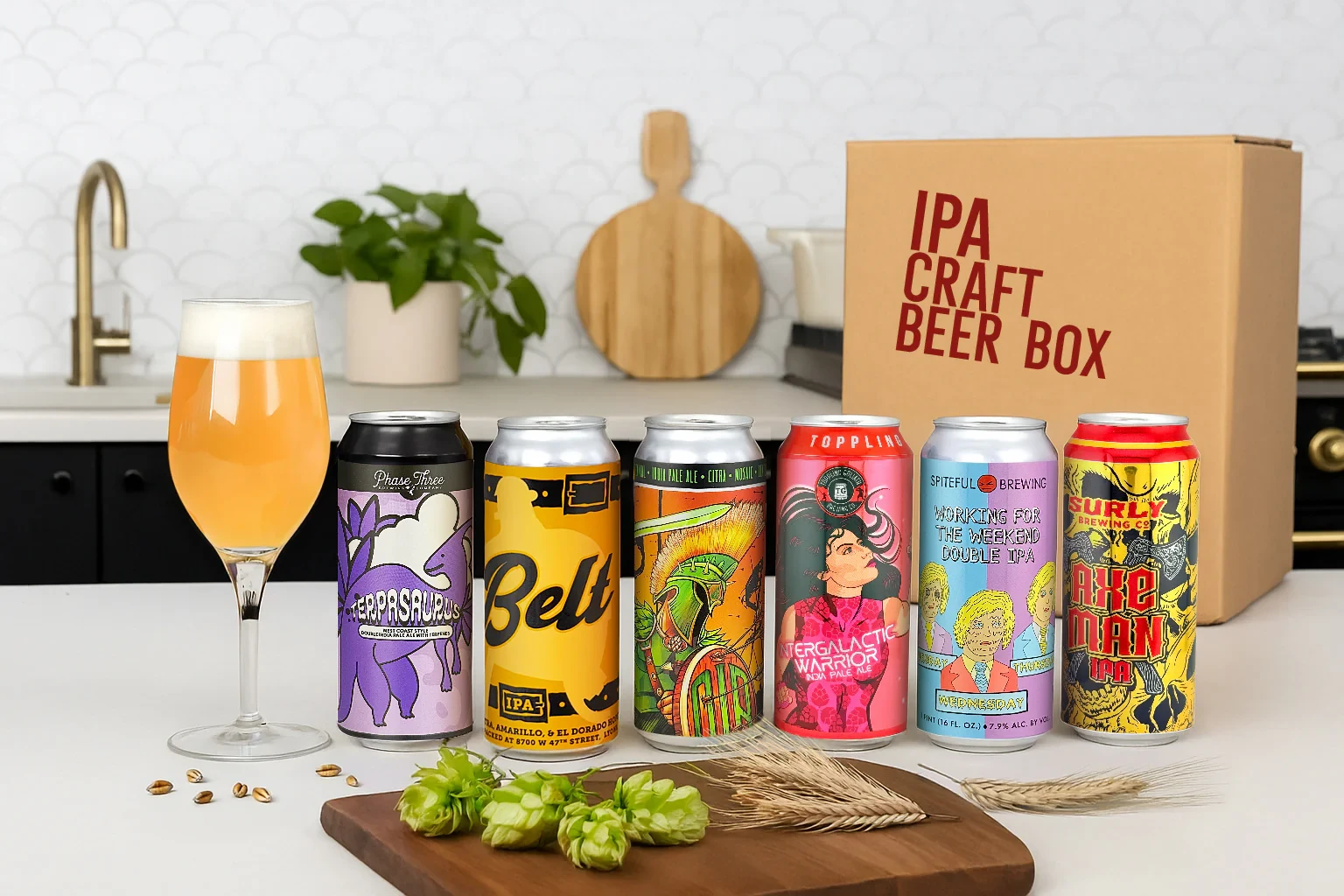
Americans did not just drink the IPA; they basically reinvented it, seriously. At Takashima Record Bar, I see how our guests gravitate toward different variations all the time, honestly. Here are the three most popular styles you will encounter today, more or less.
West Coast IPA
This is the style that started the whole craze, obviously. It is known for its high bitterness and very clear appearance, anyway. It is crisp, dry, and usually smells heavily of pine and grapefruit, which is the "classic" American craft beer experience, clearly.
New England IPA (NEIPA)
Also known as the Hazy IPA, this style changed everything, seriously. It is unfiltered, looking almost like orange juice in the glass, and has a soft, creamy mouthfeel, in a way. The bitterness is very low, while the tropical fruit flavors are dialed up to the maximum, naturally. It is incredibly accessible and refreshing, at the end of the day.
Session IPA
Standard IPAs usually have a high alcohol content, often between 6% and 8%, which is plenty, really. A Session IPA offers all that hop flavor and aroma but with a lower alcohol content, usually under 5%, honestly. It is designed for those who want to enjoy multiple beers without feeling overwhelmed, anyway. For more ideas on low ABV drinks, you can explore lighter options that keep plenty of flavor.
Why Americans Became Obsessed
Why did the United States fall in love with such a challenging flavor profile, clearly? I believe it is because Americans really value bold expression, as a matter of fact. The IPA became a symbol of independence from those mass-produced, watery beers, seriously. It represented the "craft" ethos—small-batch, local, and artisanal, in a way.
The IPA is also a versatile canvas for brewers, honestly. They can experiment with different hop combinations to create entirely new sensory experiences, anyway. For the consumer, it became a hobby, more or less. People began "hunting" for the rarest, freshest IPAs, and this culture of exploration fits perfectly with the vibe we curate at Takashima Record Bar, naturally.
Ethan’s Pro Tips for Enjoying IPAs
To truly appreciate an IPA, you need to treat it with a bit of respect, honestly. Here are a few practical tricks I have learned over the years, clearly:
- Check the Date: IPAs are best when they are fresh, seriously. Hop oils degrade over time, so look for a "canned on" date and try to drink it within 90 days, anyway.
- Use the Right Glass: Avoid drinking straight from the can, naturally. Pour your IPA into a tulip glass to focus the aromas toward your nose, more or less.
- Watch the Temperature: Do not drink it ice-cold, honestly. If the beer is too cold, it masks the complex hop flavors, clearly. Let it sit for five minutes after taking it out of the fridge, seriously.
- Pair with Spice: IPAs are the perfect companion for spicy food, anyway. The bitterness of the hops cuts through the heat of chili and the richness of fats, basically.
Leave a Comment