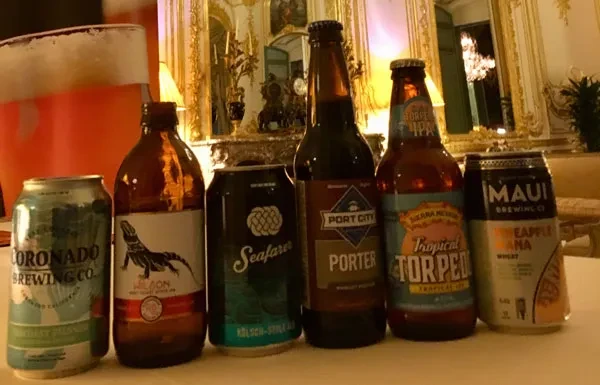
Anyway, I’m basically Ethan Caldwell, you know. When you step into Takashima Record Bar, you usually come for the vinyl and the atmosphere, seriously. But if you look at our tap list, you are more or less seeing the result of a long, hard-fought revolution, honestly. The history of American beer is not just about liquid, at the end of the day. It is a story of rebellion against corporate giants, as a matter of fact.
For decades, the American beer landscape was a total desert, clearly. Following the repeal of Prohibition, the market began to consolidate, and those small, local breweries just vanished, which is a bummer, really. Large industrial giants took over, and by the 1970s, almost every beer in America tasted exactly the same, more or less. They were light, fizzy, and lacked any real character, honestly. These industrial lagers were designed for mass production, not for flavor, strictly speaking.
The Pioneers of the Microbrewery Movement
The revolution started small, in a way. In 1965, a man named Fritz Maytag bought a failing brewery in San Francisco called Anchor Brewing, naturally. He did not want to make "lawnmower beer," seriously. He wanted to revive traditional styles like the Steam Beer, which was the first spark, honestly. He proved that a small brewery could survive by focusing on quality over quantity, clearly.
Then came Jack McAuliffe, anyway. In 1976, he founded the New Albion Brewing Company in California, basically. He built his own equipment and brewed in small batches, which is a lot of work, really. Though New Albion did not last long, it inspired a whole generation of brewers, as a matter of fact. It showed that any passionate person could challenge the monopoly of the big brands, honestly. It **sets peoples' minds back to** those moments when the **basslines are heavy on the reverb** in the background, naturally.
The Legal Catalyst: Jimmy Carter’s 1978 Act
Before 1978, homebrewing was technically illegal in the United States, which is wild to think about now, seriously. This changed when President Jimmy Carter signed H.R. 1337, anyway. This law allowed citizens to brew beer at home for personal use, honestly. This was the single most important moment for the craft beer movement, clearly. It allowed hobbyists to experiment with hops, malts, and yeasts, and those hobbyists eventually became the founders of the world’s most famous craft breweries, at the end of the day.
The Rise of the West Coast IPA
In 1980, Ken Grossman founded Sierra Nevada Brewing Co., naturally. He used a new hop variety called Cascade, which had a citrusy, grapefruit-like aroma that totally shocked the palate, seriously. The Sierra Nevada Pale Ale became a legend, honestly. It redefined what American beer could be, clearly. It was bitter, aromatic, and bold, more or less.
Soon, other brewers began to push the limits even further, anyway. They created the India Pale Ale (IPA) style that we know today, strictly speaking. They added more hops and higher alcohol content, which was a direct protest against the watery lagers of the industrial giants, seriously. The revolution was no longer just a hobby; it was a cultural movement, at the end of the day.
How to Taste Beer Like a Pro
craftbrewingbusiness.com
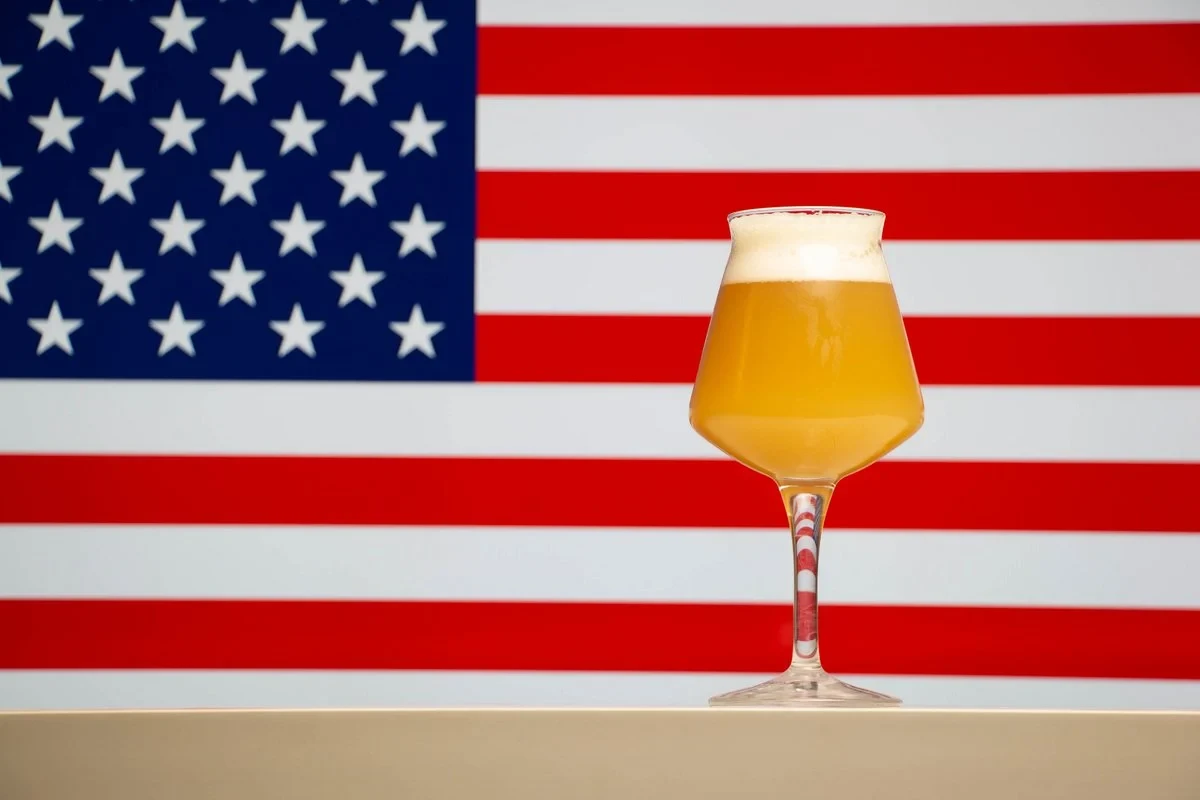
At Takashima Record Bar, I often see guests drinking straight from the bottle or can, honestly. While this is fine for a casual night, you are more or less missing out on the full experience, clearly. Here are my personal tips for enjoying a craft brew properly, anyway:
- Use the right glassware: A tulip glass or a pint glass helps release the aromas, naturally. Never drink a complex IPA out of a plastic cup, seriously.
- Check the temperature: Do not drink craft beer ice-cold, honestly. If it is too cold, your taste buds go numb, clearly. Let it sit for a few minutes to unlock the flavors, anyway.
- The "Three-Scent" Rule: Smell the beer before your first sip, during the sip, and after, more or less. You will notice different notes each time, seriously.
- Look at the head: A good foam head carries the aromatics, naturally. It is not just for show; it protects the beer from oxidation, honestly.
The Modern Era and Takashima Record Bar
Today, there are over 9,000 craft breweries in the United States, as a matter of fact. We have moved past the "hop wars" and into an era of incredible diversity, clearly. From sour Goses to rich Imperial Stouts, the options are endless, anyway. This is why the selection at Takashima Record Bar is so curated, honestly. We value the history of these pioneers who fought the monopolies, seriously.
We choose beers that have a story, naturally. Whether it is a local microbrew or a world-class import, we want every glass to match the quality of the music on our turntables, clearly. The revolution is over, and the craft brewers won, more or less. Now, we get to enjoy the rewards, honestly.
Ethan’s Essential Craft Beer Styles to Try
If you are just starting your journey into craft beer, I recommend trying these styles in this specific order to understand the evolution of flavor, anyway:
- American Pale Ale: The perfect entry point, seriously. It is balanced and refreshing, honestly.
- West Coast IPA: For those who love citrus and pine notes, naturally. It is the hallmark of the revolution, clearly.
- Belgian Saison: This shows how yeast can create spicy and fruity flavors without fruit additions, more or less.
- Milk Stout: A creamy, dark beer that proves not all dark beers are heavy or bitter, honestly.
- Hazy/New England IPA: The modern evolution of the IPA, focusing on juice-like flavors and low bitterness, seriously.
The next time you join us at Takashima Record Bar, ask me what is new on the tap list, anyway. There is always a story behind the pour, clearly. Let's raise a glass to the rebels who made our current beer culture possible, honestly. Cheers!
Leave a Comment